
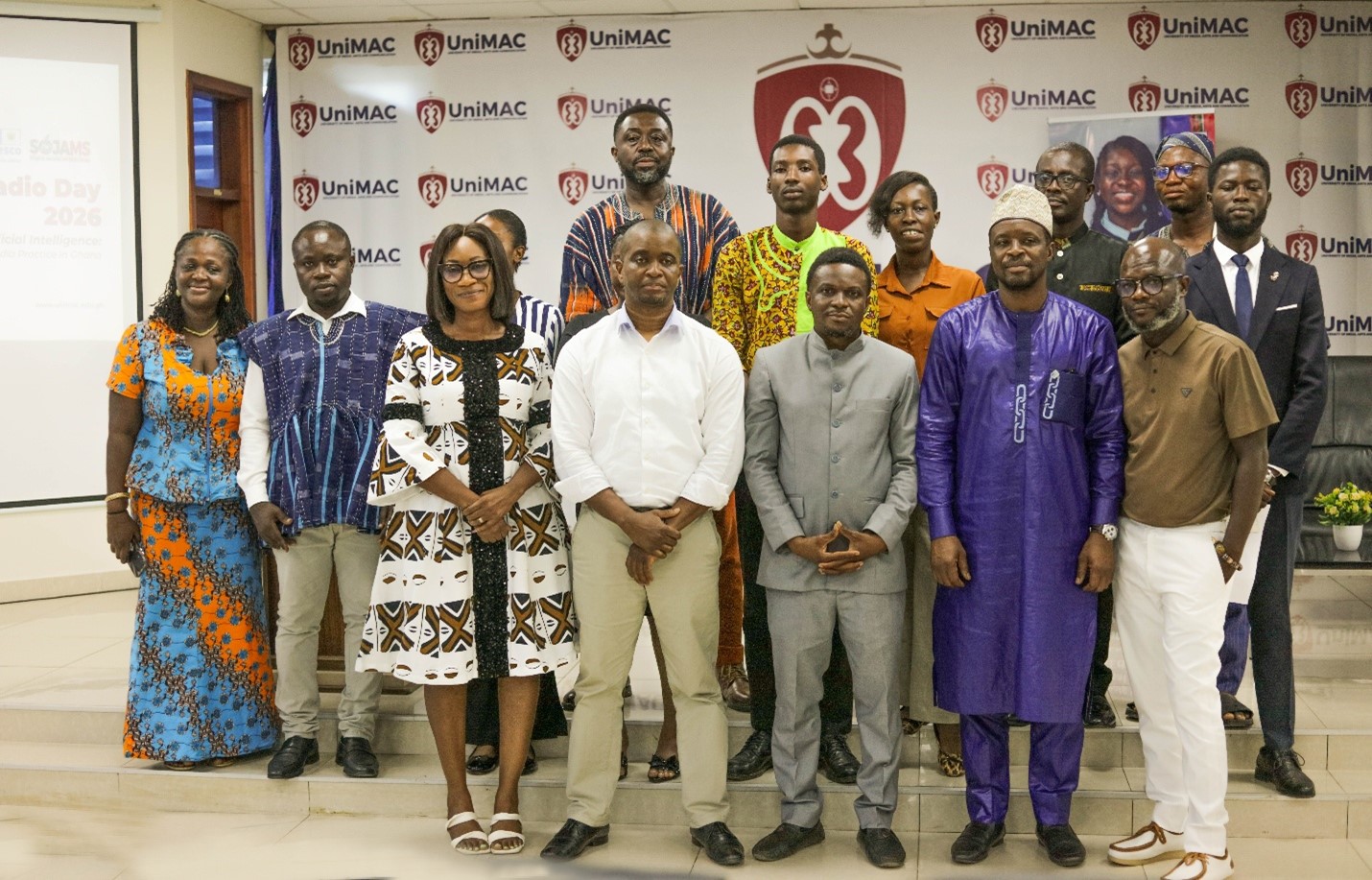
The University of Media, Arts and Communication (UniMAC), in collaboration with the Ghana Commission for UNESCO, commemorated the 2026 World Radio Day with a high-level forum centered on the theme, “Radio and Artificial Intelligence: The Future of Media Practice in Ghana”, at the South Legon Campus of UniMAC.”
The commemorative day which felt on Friday, February 13, saw academics, media practitioners, students, and policy leaders converging at the Auditorium of UniMAC, to discuss how Artificial Intelligence is reshaping radio broadcasting and journalism in Ghana. The event for holistically moderated by the Head of Communications and Branding of UniMAC/ Public Relations Officer of UniMAC’s Institute of Languages, Mr. Kow Nketsia Richardson.
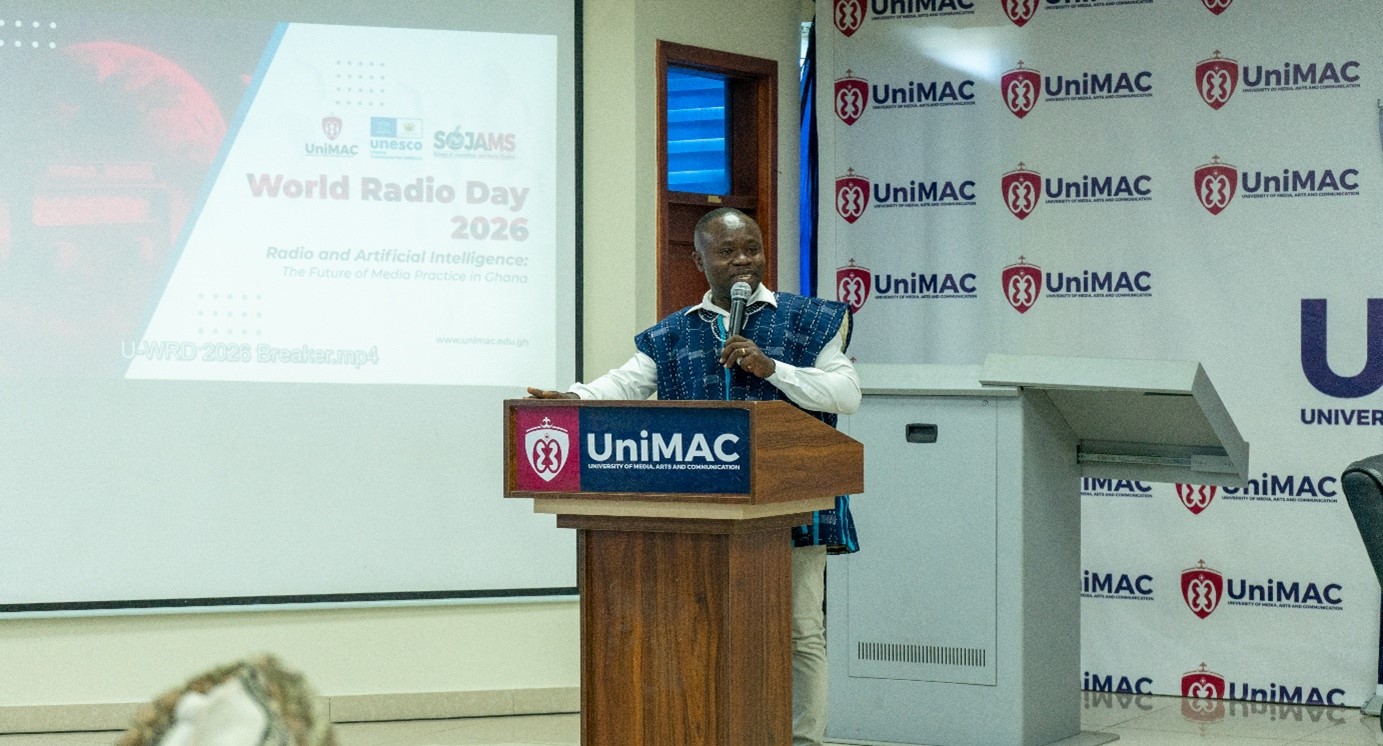
In remarks read on her behalf, the Rector of UniMAC’s Institute of Journalism (IJ), Prof. Christiana Hammond, emphasised the need for media professionals to embrace innovation while upholding ethical standards. She noted that Artificial Intelligence presents opportunities to enhance news gathering, content production, and audience engagement, but cautioned that human editorial judgment remains irreplaceable.
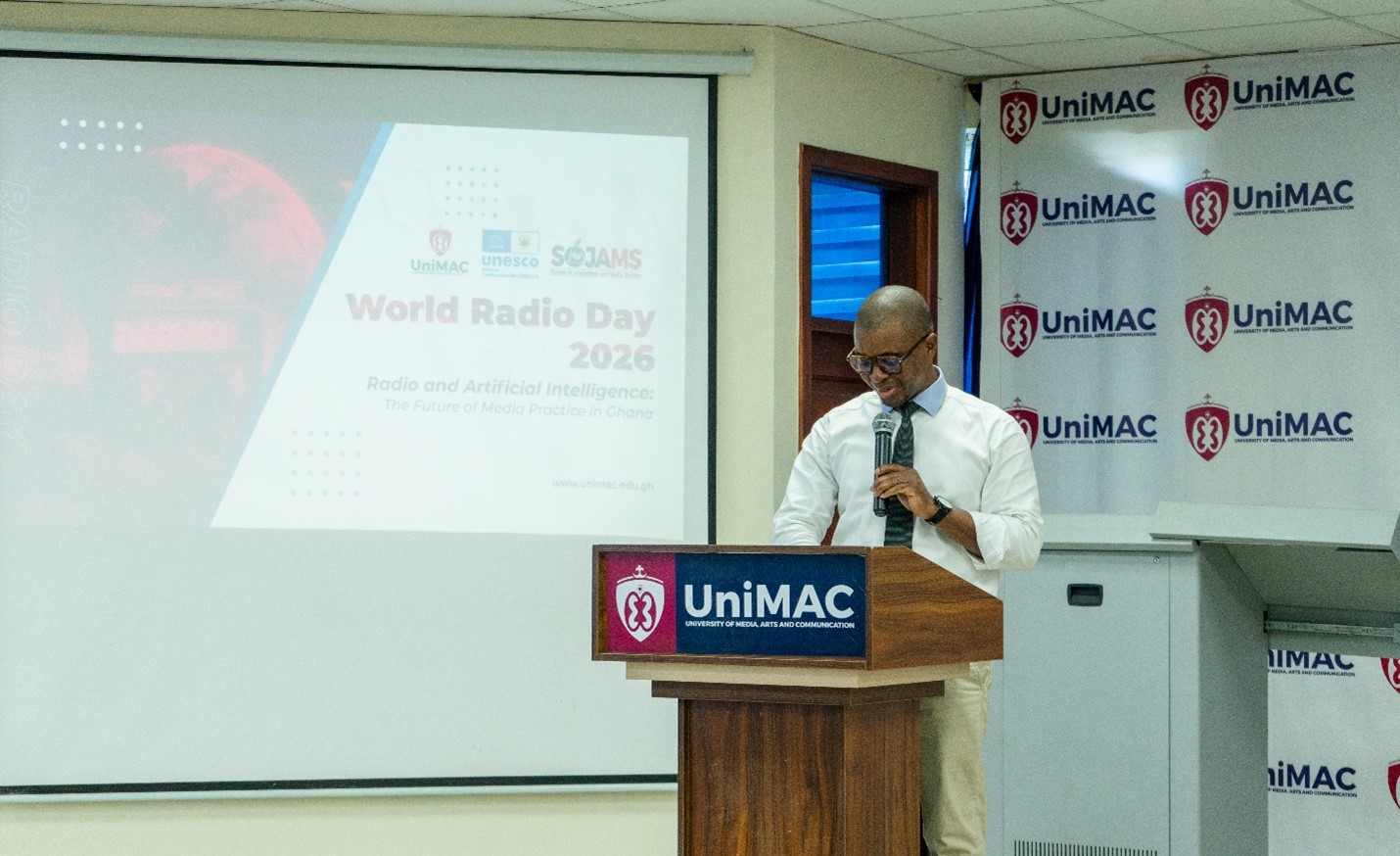
The Vice-Chancellor of UniMAC, Prof. Eric Opoku Mensah, in an address read on his behalf by the Pro Vice-Chancellor, Prof. Winston Abroampa, highlighted the university’s commitment to equipping students with the digital skills required to thrive in an AI-driven media landscape. He stressed that institutions of higher learning must lead conversations on responsible technology use in journalism.
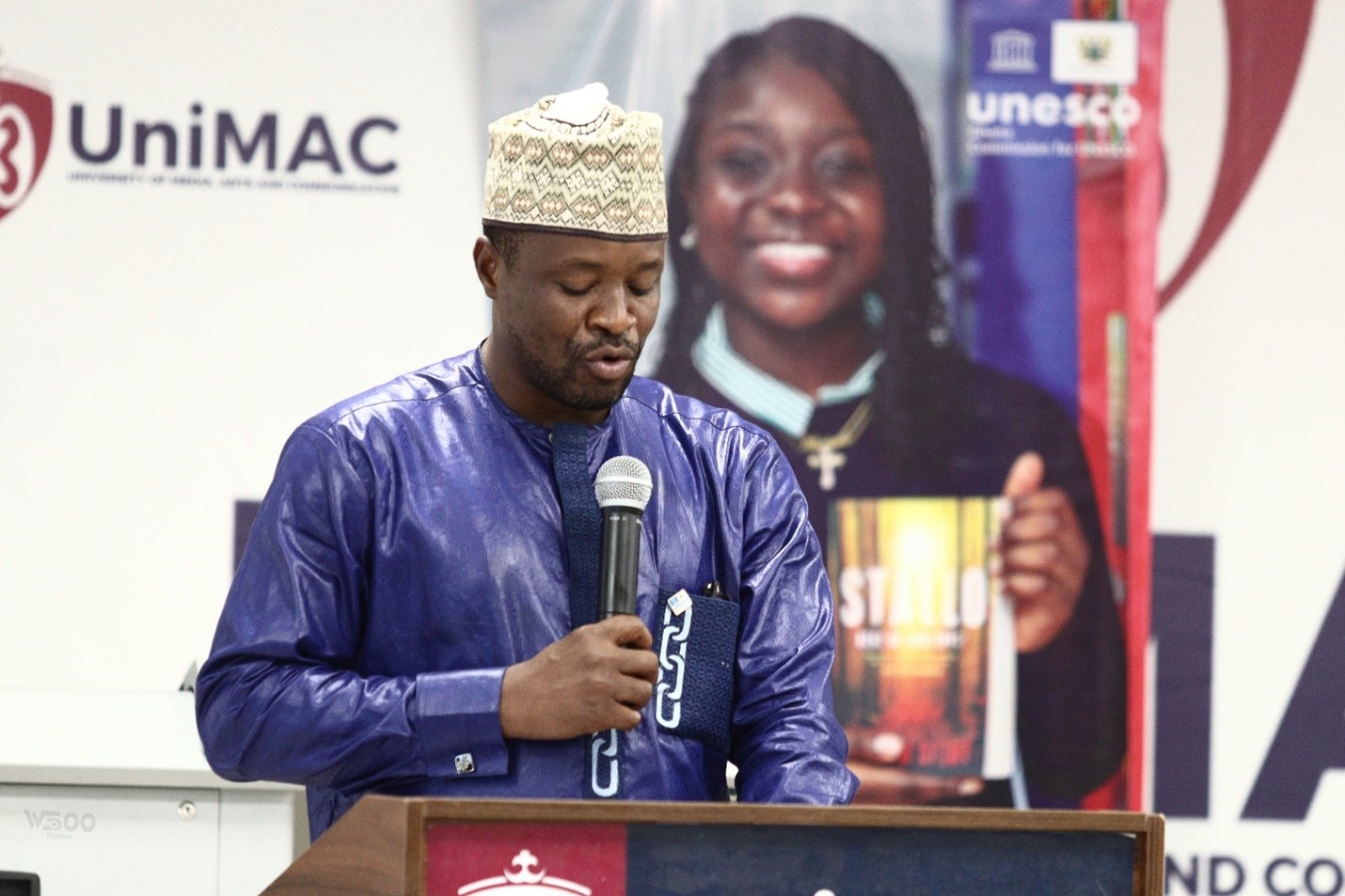
Prof. Osman Tahidu Damba, the Secretary-General of the Ghana Commission for UNESCO, underscored UNESCO’s global advocacy for press freedom and responsible AI adoption in media practice. He called for policies that protect media integrity while fostering technological advancement.
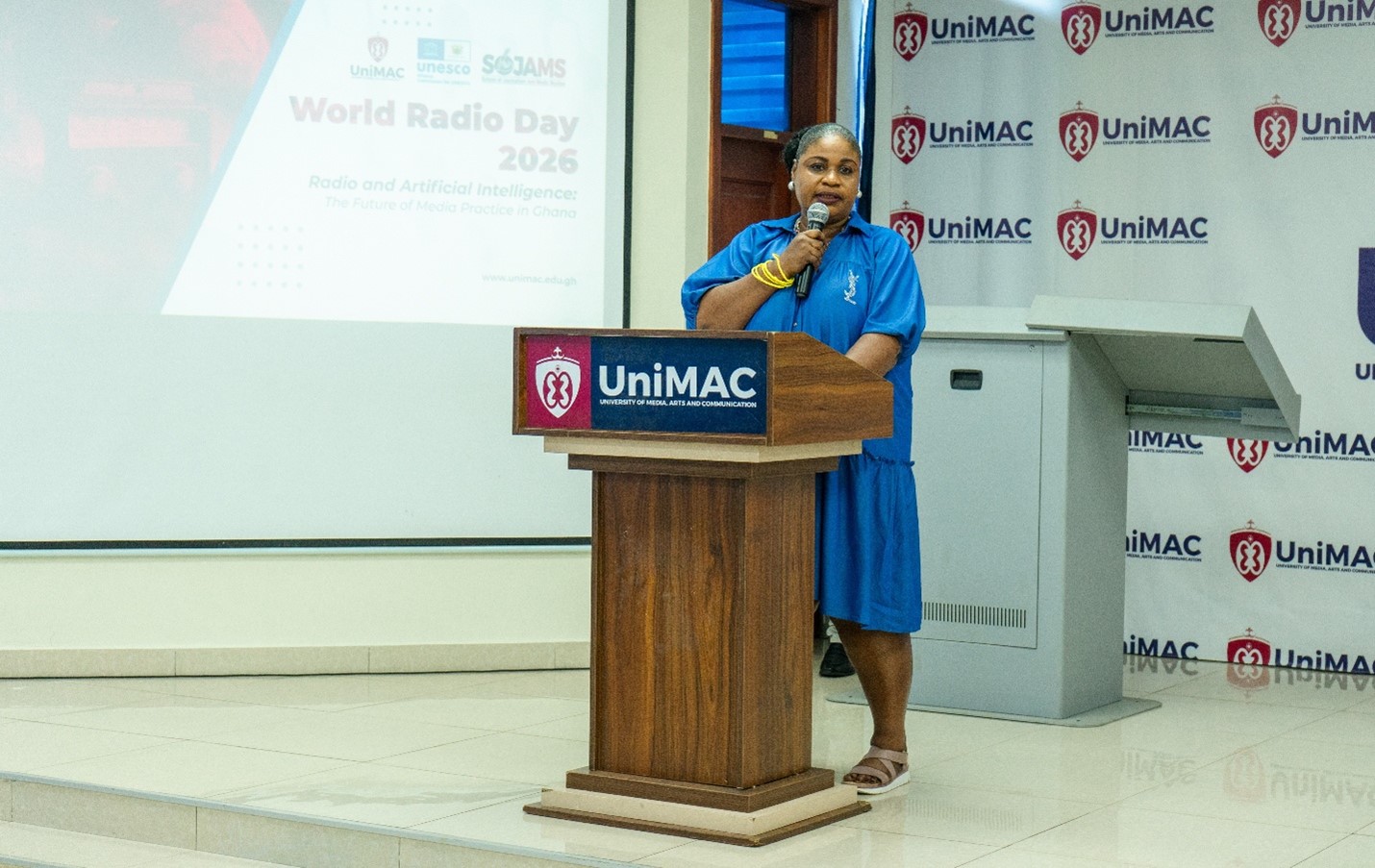
Giving Solidarity Remarks, the President of Ghana Journalists Association (GJA), through the Vice-President, Ms. Rebeca Ekpe, delivered an impactful address on the theme for the 2026 World Radio Day. She stated that the public is increasingly aware and engaged in conversations about the need to protect journalists. She emphasised that any attack on a journalist quickly draws public attention, adding that the GJA has remained firm in its position that journalists must not be attacked.
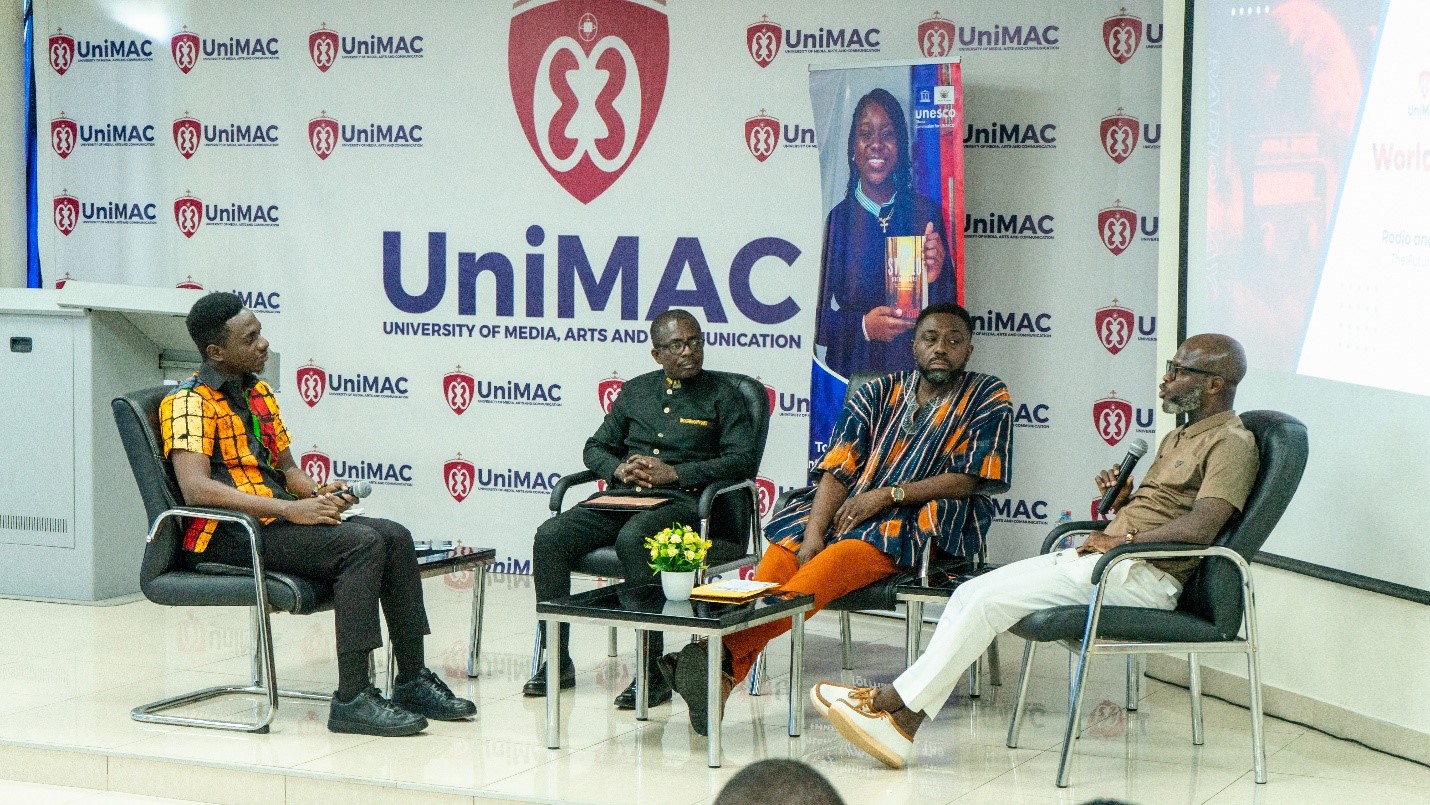
The event featured a dynamic panel discussion with prominent media practitioners, including Mr. Kafui Dey – a Radio Talk Show Host, Mr. Samuel Danso – a Lecturer at UniMAC’s School of Journalism and Media Studies (SOJAMS), and Mr. Kwaku Owusu Peprah – Channel Manager at Multimedia Group Ltd. The panel discussion was moderated by UniMAC -IJ’s 2025 Best Journalism Student, Nathaniel Nii Amoo Otoo.
Adding to the discussion, Mr. Kafui Dey emphasised the importance of increasing African representation in Artificial Intelligence Systems. He noted that the continent must intentionally produce and publish more African content to strengthen the learning base of emerging technologies. “The more we put out African content, the more content for the large language models to learn and improve,” he stated, highlighting the need for local media houses, content creators, and academic institutions to contribute actively to the digital knowledge ecosystem.
He also stressed that without deliberate efforts to generate authentic African stories, perspectives, and data, AI systems risk underrepresenting the realities and nuances of African societies. His remarks resonated strongly with students and practitioners alike, reinforcing the call for innovation rooted in local context.
In a personal reflection that drew applause from the audience, he shared that at over fifty (50) years old, he proudly embraced technology by allowing his formal work to be supported by ChatGPT — even before introducing it to his own children. His comment underscored the importance of lifelong learning and openness to innovation in a rapidly evolving media environment.
Mr. Kwaku Owusu Peprah drew attention to the infrastructural and technological challenges confronting many African newsrooms. He observed that social intelligence adoption across the continent remains slow, largely due to limited African content within global AI systems and broader technological constraints. “Our social intelligence adoption on the African content is very low; we have not even started. We are not part of the conversation because technology is low. There’s the issue of funding and all of that goes with it,” he stated.
He further highlighted the practical realities within many media houses, noting that limited equipment and unstable internet connectivity continue to hinder innovation. “In many newsrooms, there are just about five computers, six laptops, and the internet goes off and on,” he added.
His remarks underscored the urgent need for investment in digital infrastructure, capacity building, and policy support to ensure that Ghanaian and African media institutions can fully participate in the evolving AI-driven media ecosystem.
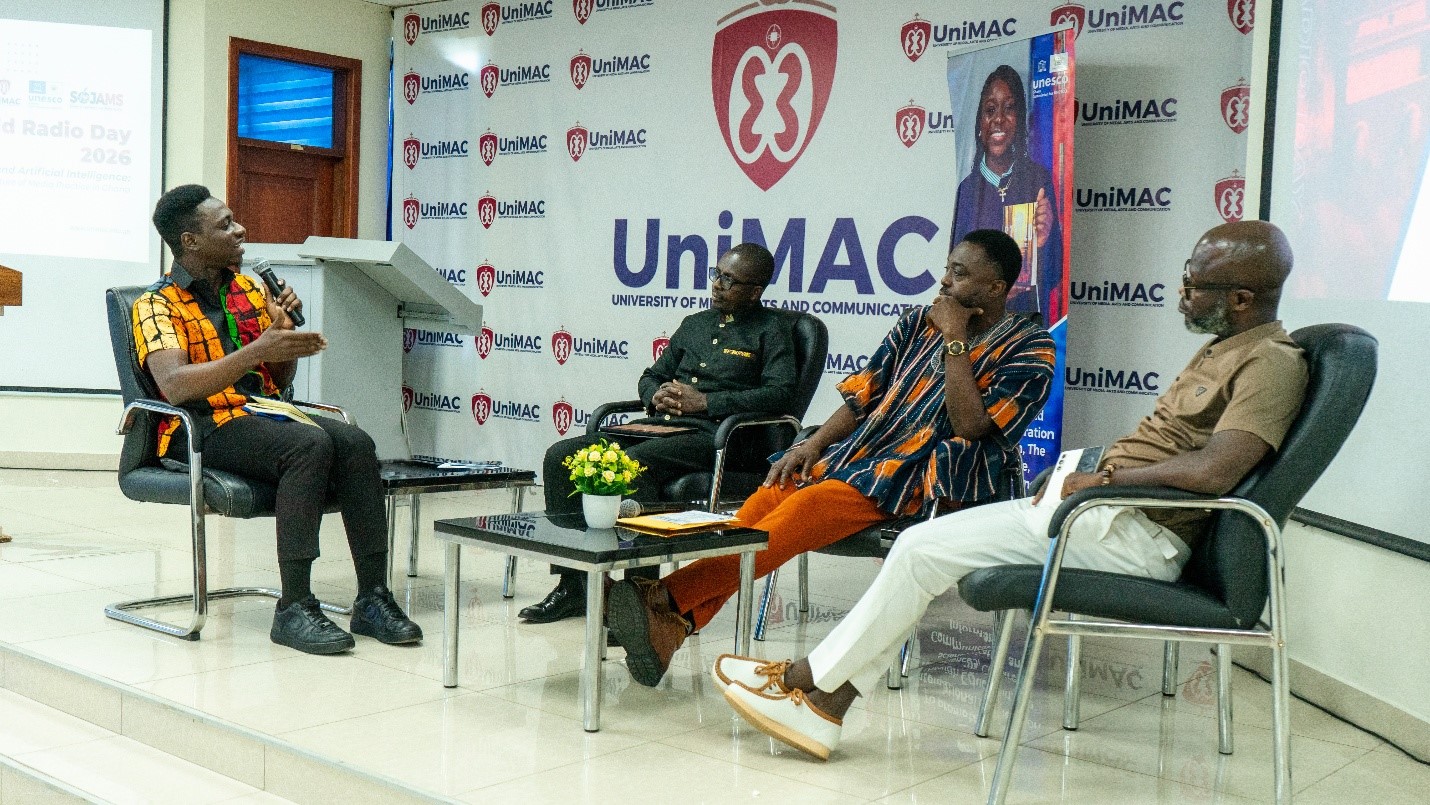
Participants made insightful contributions and comments, professionally navigated by the Moderator, Mr. Amoo Otoo, who displayed professional panache in his line of questioning and insightful remarks.
The 2026 World Radio Day was planned and celebrated by the School of Journalism and Media Studies (SOJAMS) of UniMAC’s Institute of Journalism. In an interview with the Dean of the School, Prof. Etse Sikanu, he stressed that despite technological advancements, radio remains the most accessible form of media in Ghana. He explained that the medium’s affordability and wide reach makes it readily available to communities across the country, including rural and underserved areas.
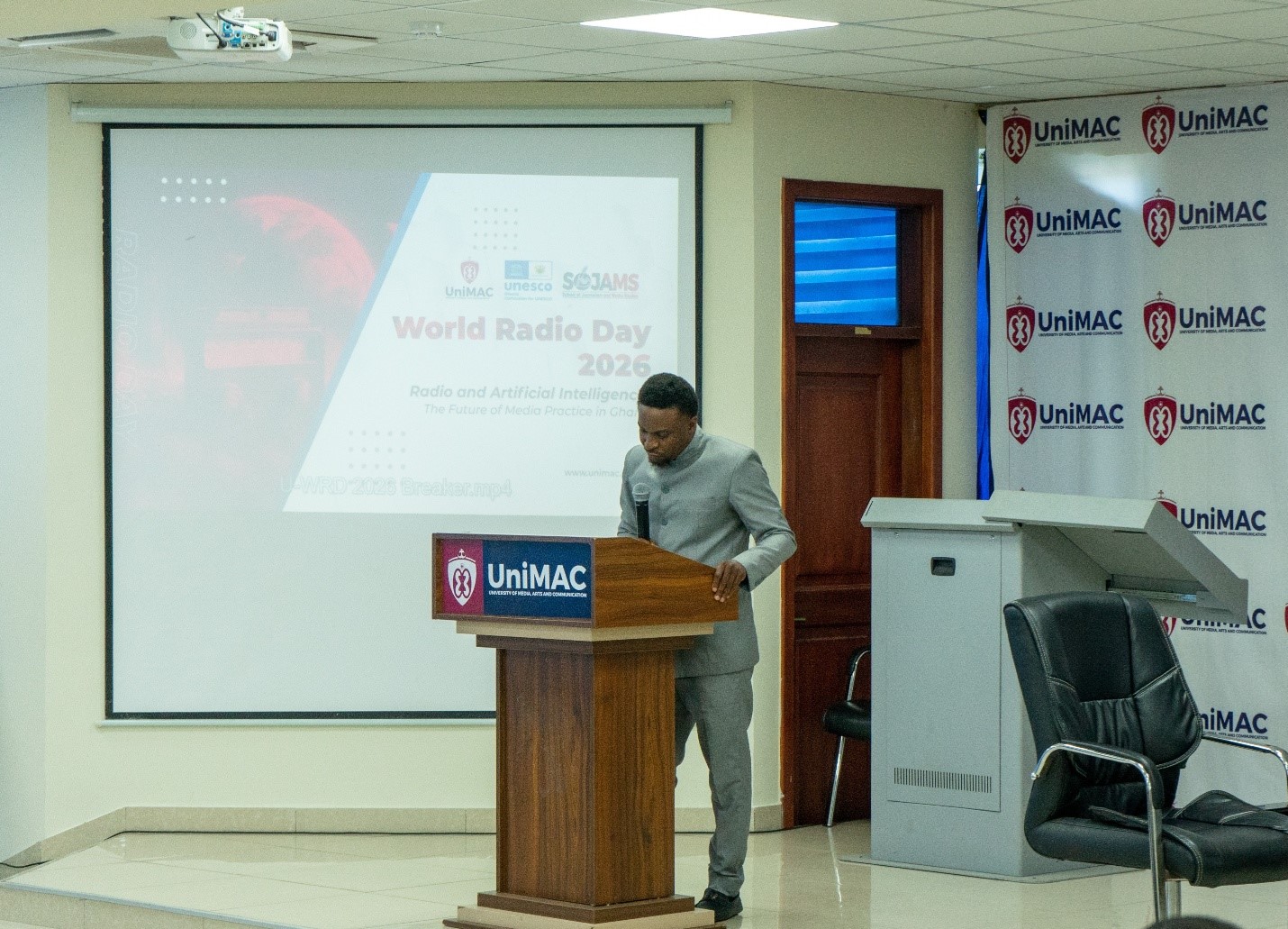
Prof. Sikanku further emphasised that while Artificial Intelligence may support media operations, it cannot replace the human voices that shape radio broadcasting. According to him, the voices on air and the human-interest stories they tell are vital to ensuring that the media continues to serve as a voice for the voiceless.
His remarks reinforced the broader theme of the event — that innovation must complement, not replace, the core human values at the heart of journalism.
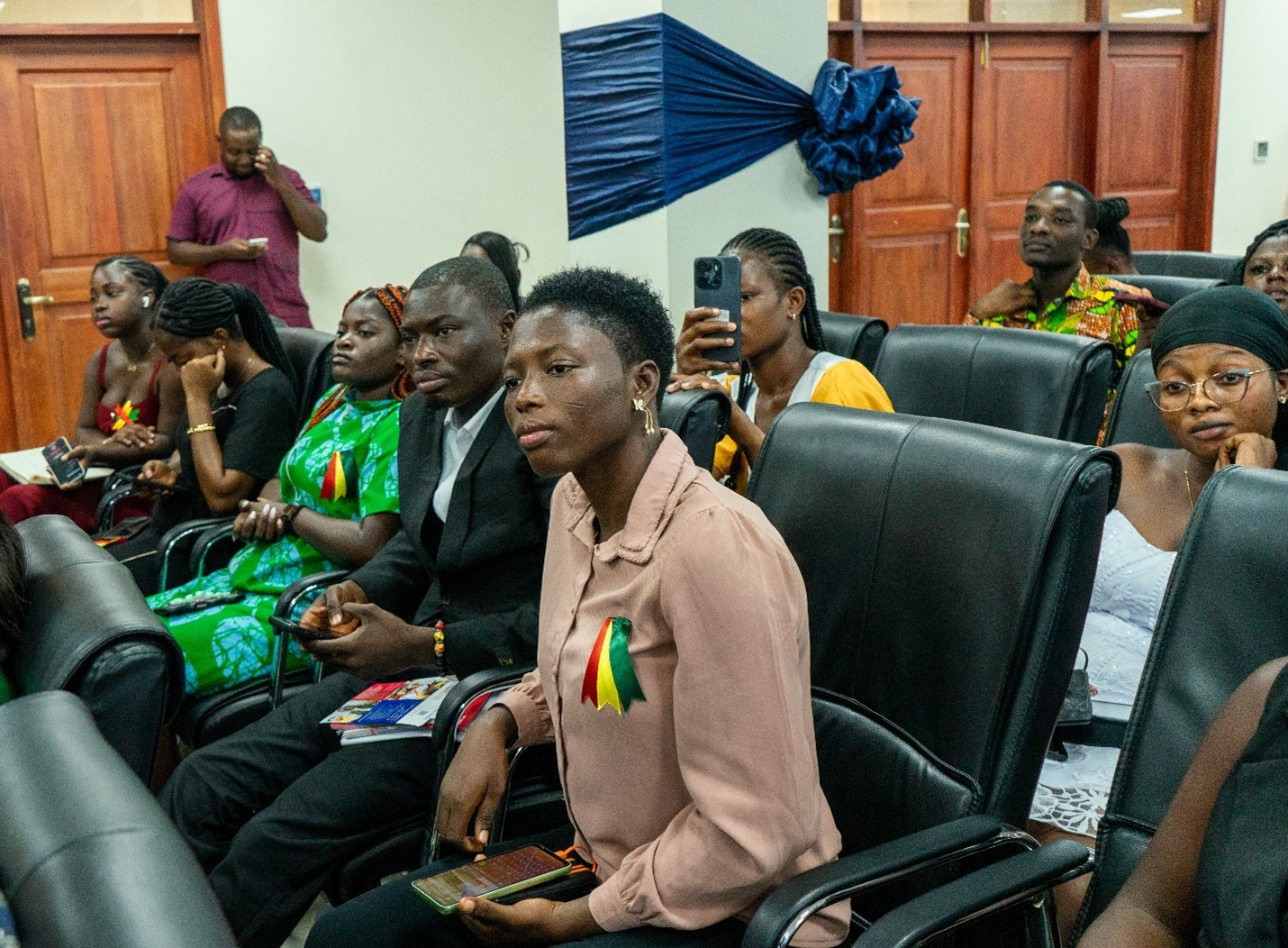
Students of the School of Journalism and Media Studies (SOJAMS) actively participated in the discussions, posing questions about how young journalists can remain competitive in a rapidly evolving digital space.
The World Radio Day, observed annually on February 13, celebrates radio as a powerful medium for information dissemination, public dialogue, and cultural expression.
This year’s celebration at UniMAC reinforced the importance of innovation, collaboration, and ethical leadership as Ghana’s media industry navigates the AI evolution. UniMAC’s contribution in shaping professional journalism practice in Ghana is undeniable and as the only public university for specialised education in journalism, UniMAC continues to set high standards in journalism training for professionalism for the 21st Century.