


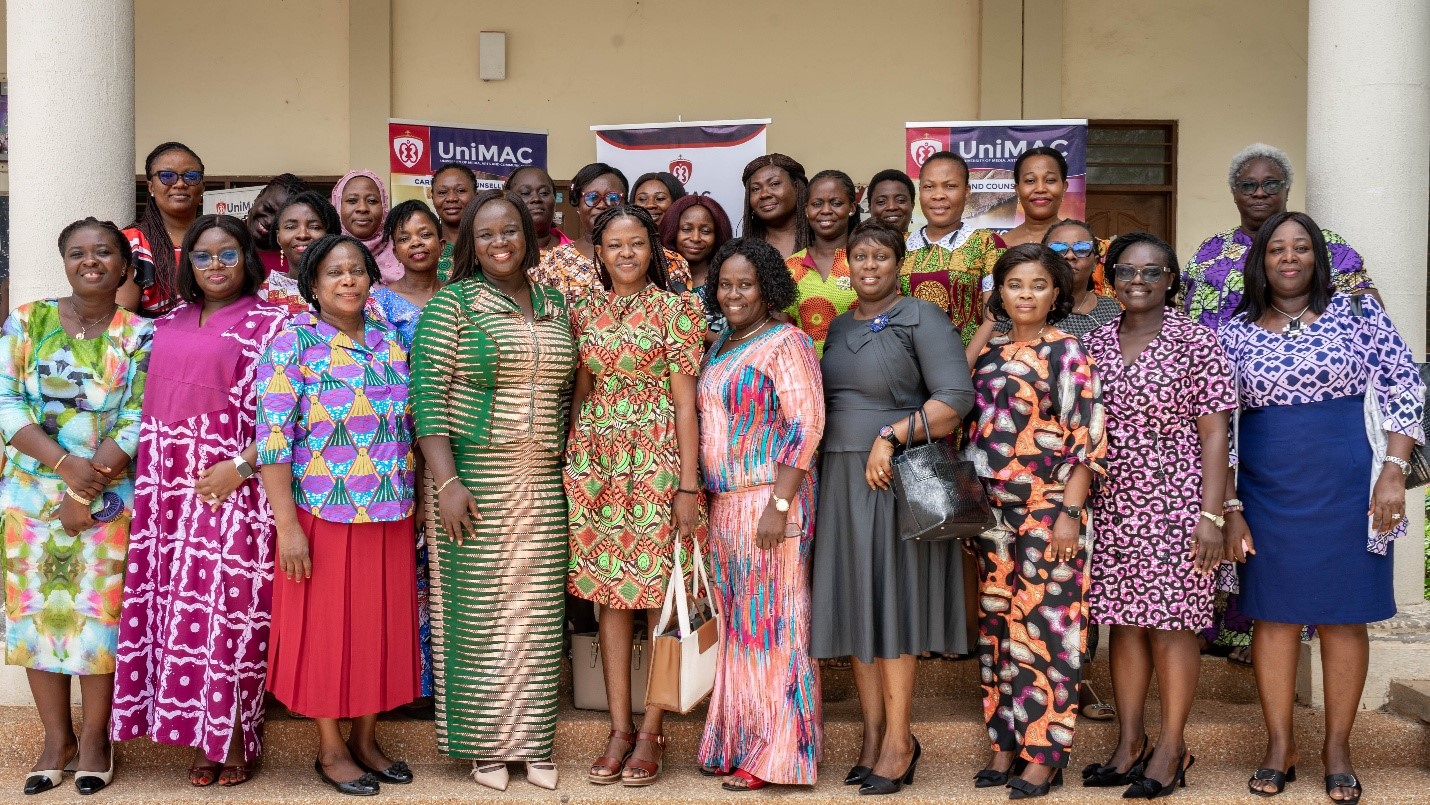
The University of Media, Arts and Communication (UniMAC), through its Centre for Gender and Communication Research (CGCR), in collaboration with Counselling Unit at the Institute of Languages (IL), has held a thought-provoking Women’s Forum. The forum was planned to address the realities of balancing professional ambition with family life.
Held at the UniMAC East Legon campus, the event brought together staff and faculty for an engaging and deeply reflective conversation on the theme “Navigating Work-Family Life as a Woman.”
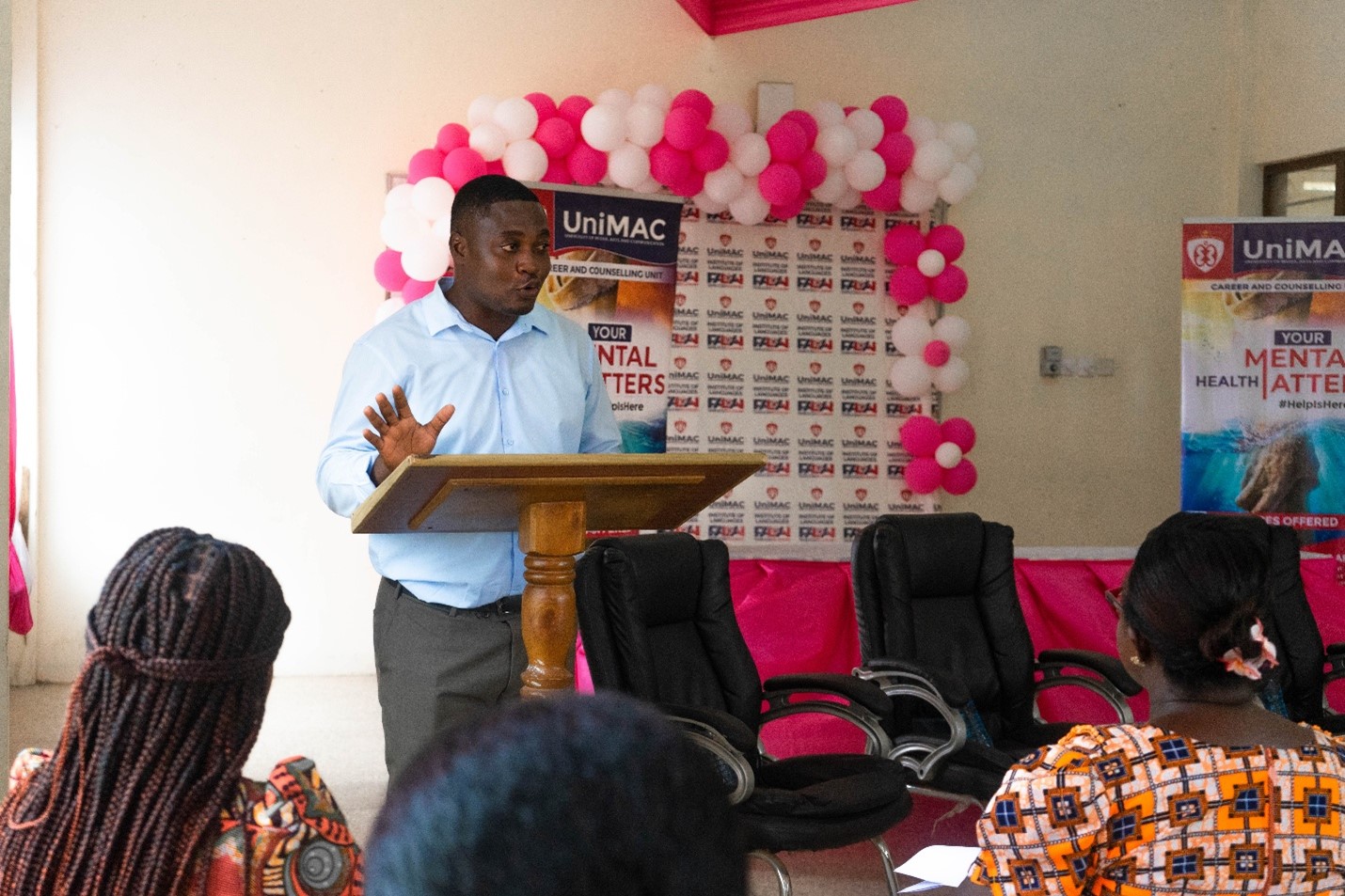
Giving Remarks to open the event, the University Counsellor, Mr. Godfred Arko Osei, gave warm remarks to participants, thus setting the tone for the day. He highlighted the importance of creating safe spaces for women to reflect on their journeys. He also welcomed participants to what would become an engaging and insightful dialogue.
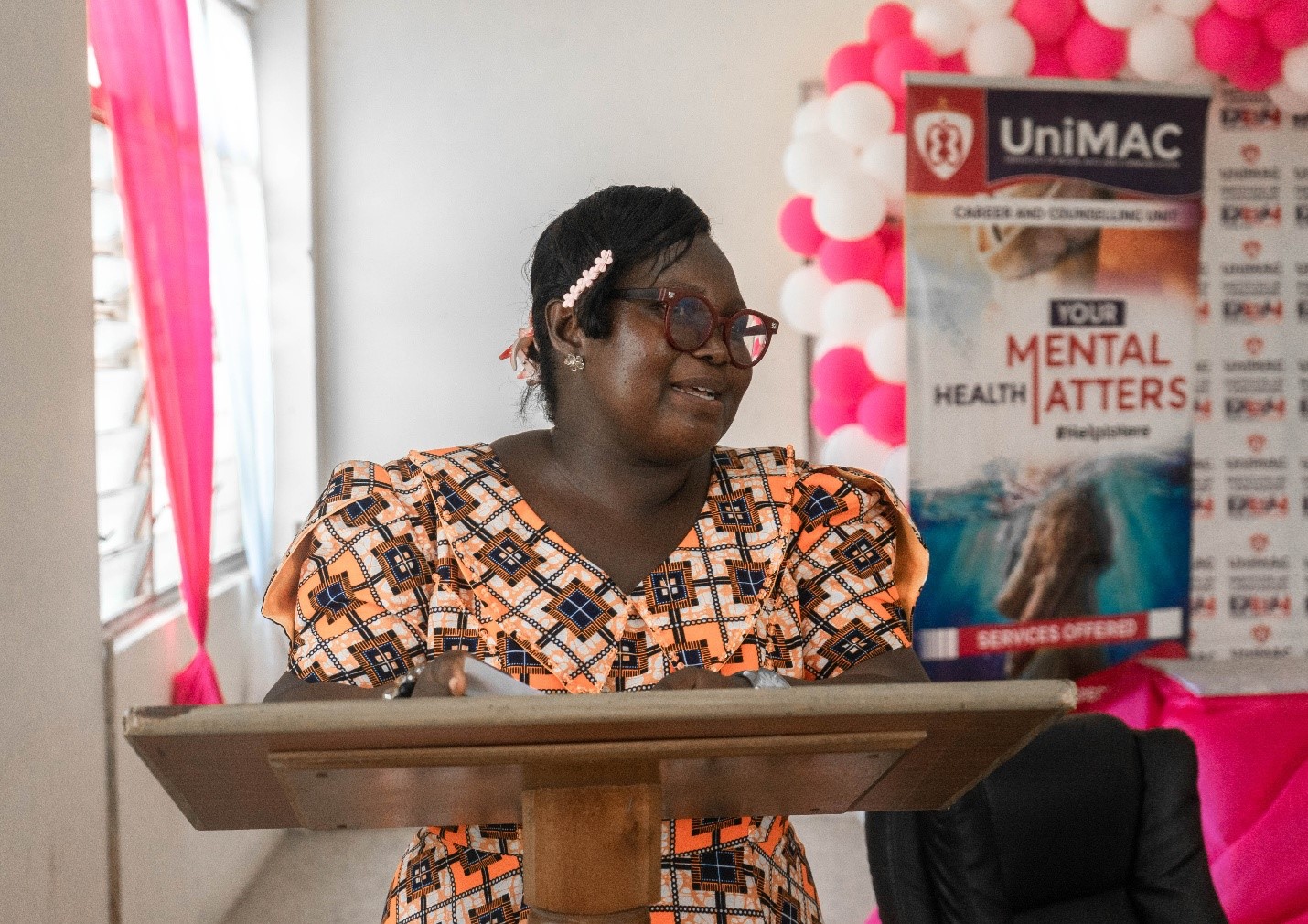
Ms. Abena Benewaa Fosuhene, the Acting Head of the Counselling Unit at UniMAC-IL, introduced the speakers and formally handed over to the moderator, Mrs. Rita Yedu, a Lecturer at the Institute of Languages, to guide the conversations.
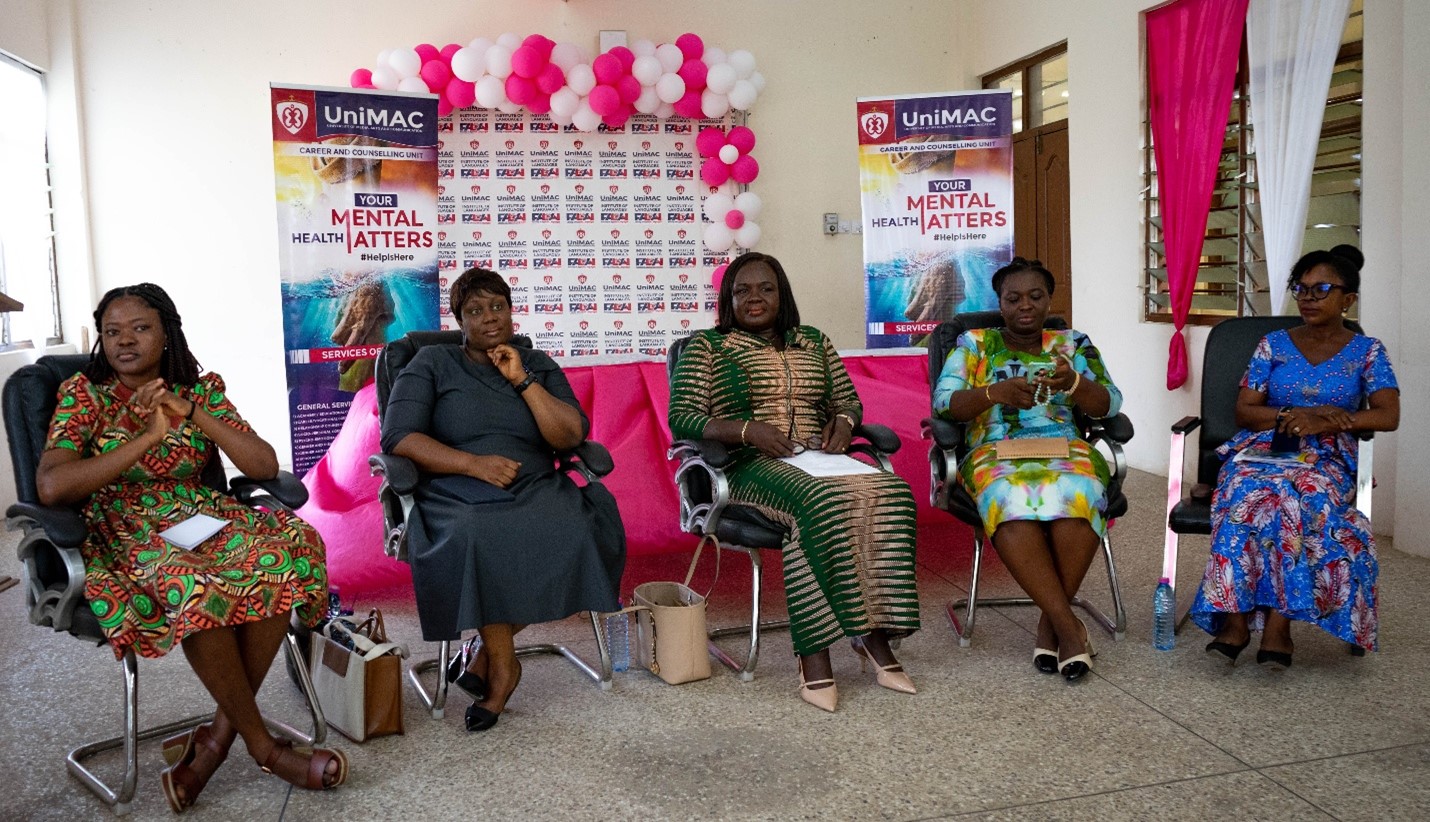
At the heart of the discussion was a panel of five (5) accomplished women within the UniMAC community: Prof. Mrs. Cecilia Addei, Rector of IL; Dr. Eleanor Araba Antwi, Director of Human Resources; Dr. Rosemary Obeng-Hinneh, Director of the Centre for Gender and Communication Research (CGCR); Dr. Vera Gyamera, Faculty Examinations Officer at IL; and Mrs. Peace Enyonam Adjetey, Internal Auditor at IL.
Drawing from her personal journey, Prof. Addei acknowledged the weight of societal and family expectations on women’s career progression. She noted that while such pressures can sometimes slow professional growth, they can be navigated with intentional balance. “Family and societal expectations may slow us down, but they should never stop us,” she said. “We must learn to navigate them, not surrender to them.” Prof. Addei encouraged women to see their gender as a strength that should promote collaboration and mutual support.
Emphasising the value of shared growth, she advocated for co-authorship and peer collaboration as tools for career advancement.
Giving her perspective, Dr. Obeng-Hinneh challenged long-standing societal norms that place the burden of caregiving solely on women. “The right support system can change everything,” she noted. “Who you choose as a partner, a mentor, or friend matters more than we think.” She called for a shift in mindset, stressing the importance of shared responsibility within the home to enable women to fully pursue their ambitions.
Dr. Obeng-Hinneh also highlighted the critical role of supportive partners, family, and colleagues, and advised women to avoid comparing their journeys with others, noting that each path is uniquely shaped.
Bringing a practical lens to the discussion, Dr. Mrs. Antwi underscored the importance of intentional planning in managing both work and family responsibilities. “Work and family should not compete,” she stated. “With intentional planning, they can coexist and even strengthen each other.”
She further highlighted mentorship and guidance as key support systems and echoed the importance of rest. Dr. Mrs. Antwi also highlighted the value of mentorship and the need for self-care, encouraging the participants to take time off, including annual leave, to recharge and reconnect with their families.
On the role of technology, Dr. Gyamera observed that while digital tools can enhance productivity, they must be used with discipline. “Technology will either control your time or help you manage it; the choice is yours,” she said, encouraging participants to set clear boundaries to protect time for both work and family. She also expressed optimism about the future, hinting at the possibility of hybrid work arrangements in professional systems as a means of supporting better work-life balance.
Adding to this perspective, Mrs. Adjetey described technology as essential in enhancing productivity and flexibility. At the same time, she challenged women to remain accountable in their professional roles. “We must be careful not to hide behind our responsibilities,” she cautioned. “Growth demands accountability, even as we balance multiple roles.”
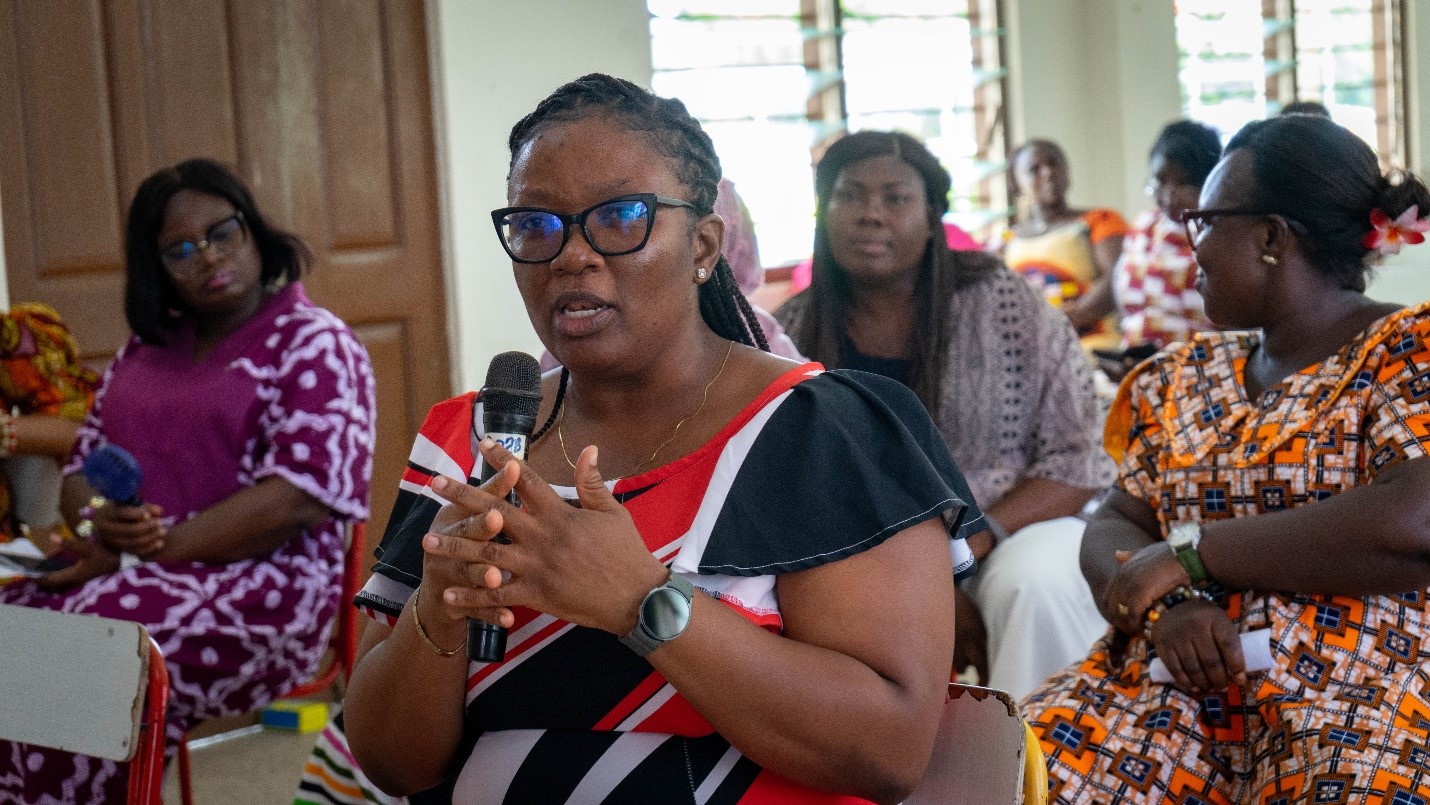
The forum sparked meaningful conversations, with participants actively sharing their own perspectives and reflections on the issues raised, further enriching the discussion.
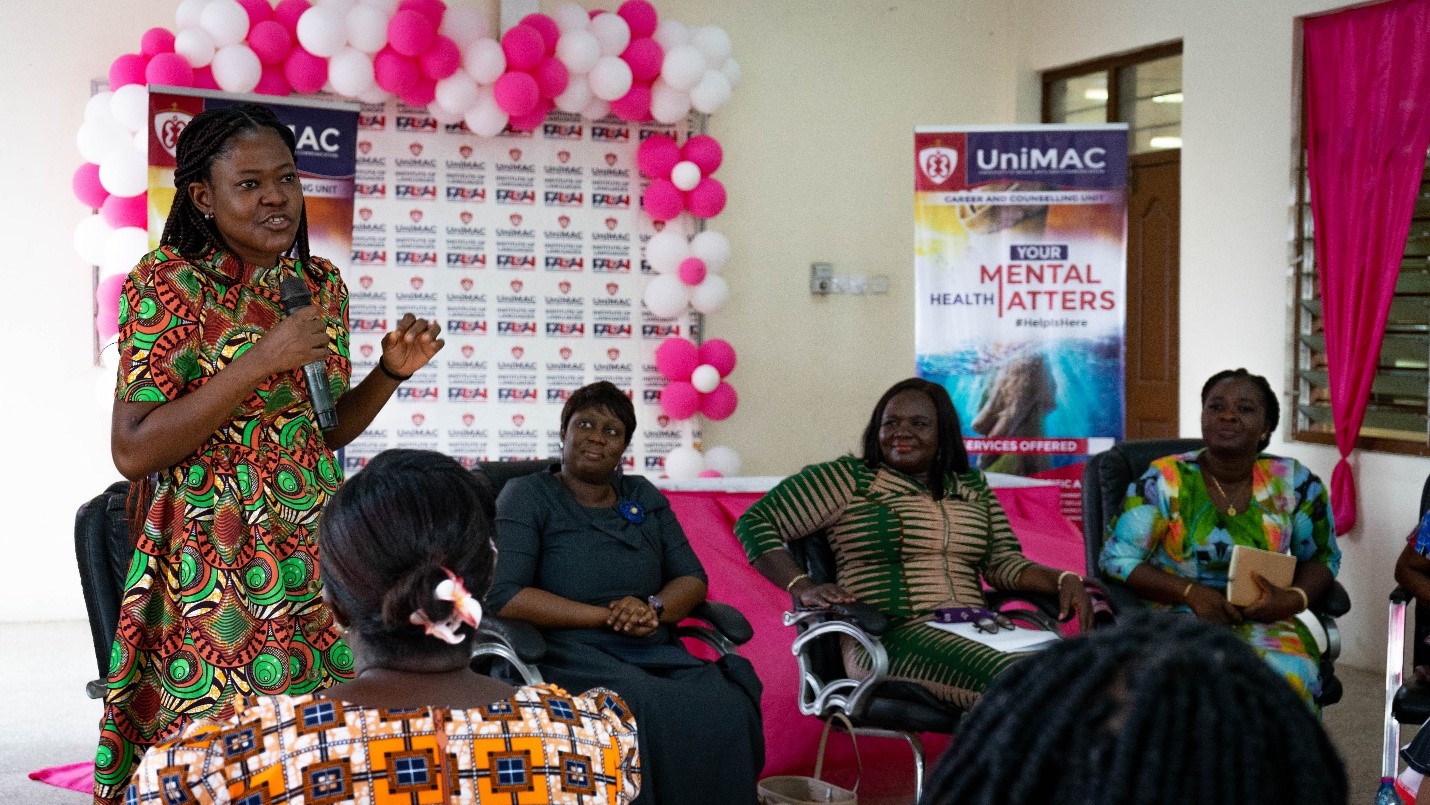
In her closing remarks, Dr. Obeng-Hinneh thanked participants for their presence and openness, stressing on the importance of such conversations within the University community. She indicated that her office would be holding more of such fora to give women the platform and space to learn from each other and collaborate for our collective growth.
It is noteworthy that this series is part of a broader initiative by the University to encourage dialogue and advocacy around gender and professional development. It is the first in a series of engagements to be rolled out across the various Institutes for male and female staff to reinforce UniMAC’s commitment to creating an inclusive and supportive environment for its community. Through conversations like these, UniMAC continues to champion not only academic excellence, but also the well-being and empowerment of its people.