

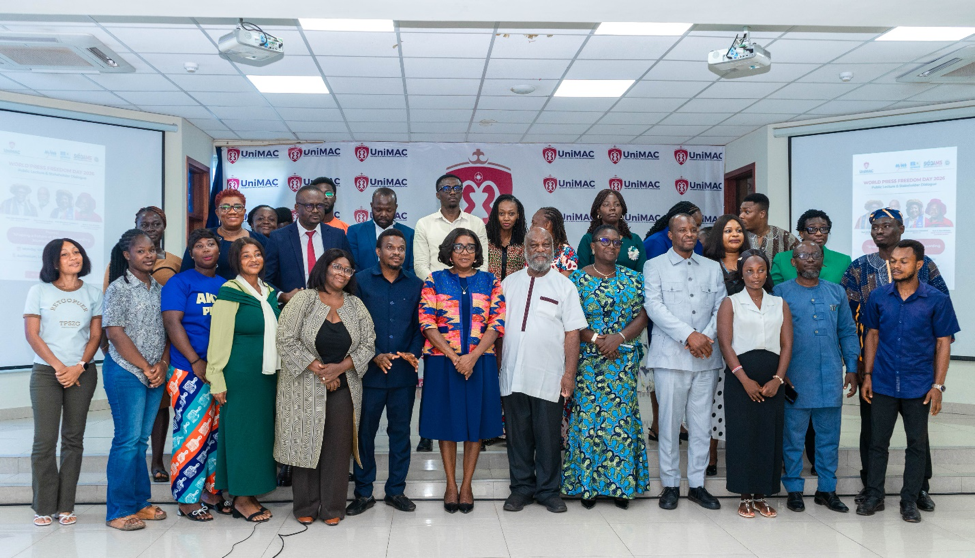
The University of Media, Arts and Communication (UniMAC), in collaboration with partners commemorated World Press Freedom Day 2026 with a resounding call for professionalism, accountability, and ethical journalism in Ghana’s media landscape.
Held on Monday, May 4, 2026, at the UniMAC South Legon Campus Auditorium, the event brought together media practitioners, academics, faculty, and students under the theme: “Shaping a Future at Peace: Safeguarding Journalism in a Democratic Era.” The gathering created a platform for reflection on the state of press freedom and the responsibilities that come with it.
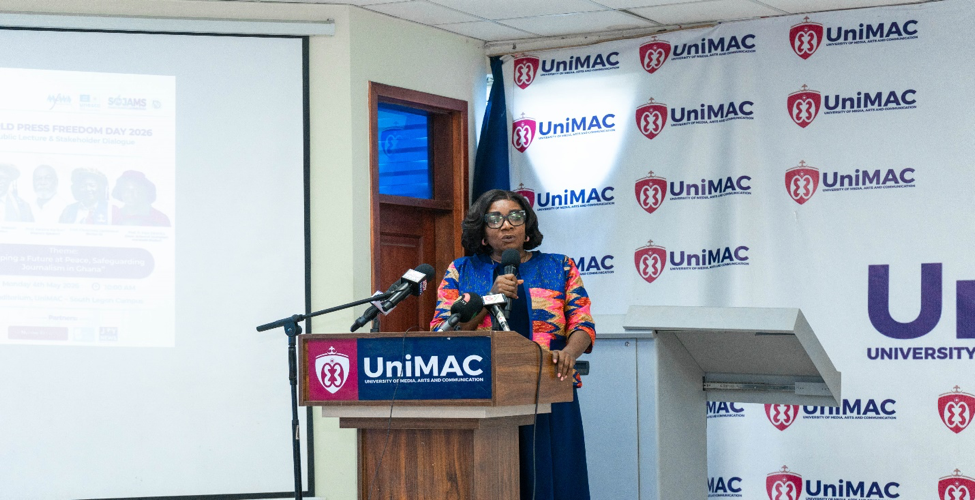
In her welcome address, the Rector of the Institute of Journalism (IJ), Prof. Christiana Hammond, underscored the vital role of journalism in shaping democratic societies, noting that the work of journalists extends beyond reporting to contributing to peacebuilding and national development. She described World Press Freedom Day as an important global reminder of the need for free, independent, and responsible media, and reaffirmed the University’s commitment to promoting ethical journalism, critical thinking, and professional excellence.
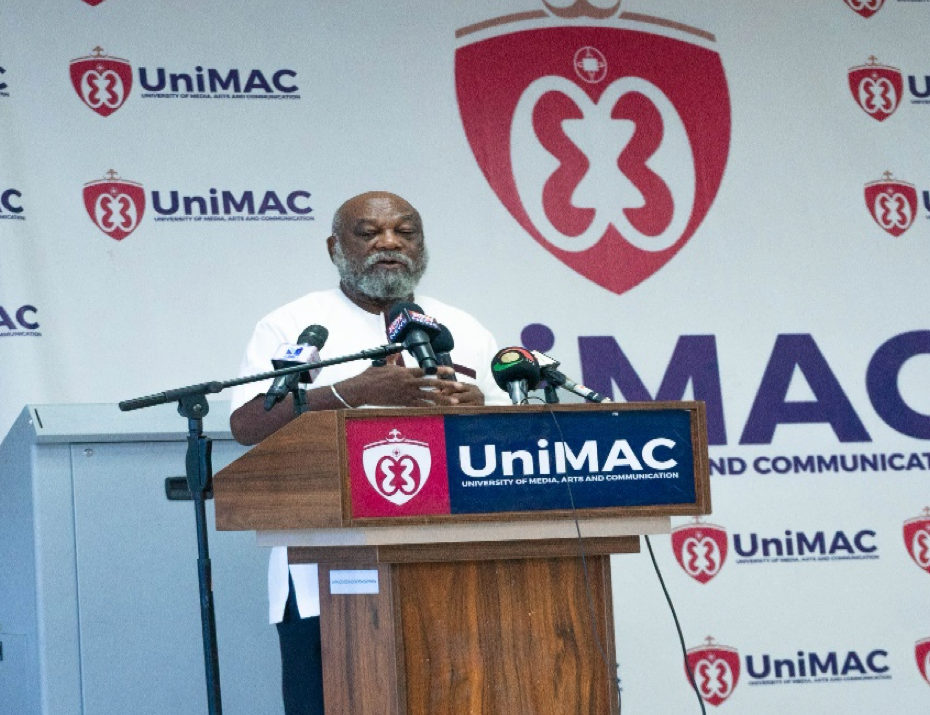
Delivering the keynote address, Professor Kwame Karikari raised concerns about the growing influence of political interests in media ownership. He warned that this trend threatens journalistic professionalism and undermines public trust. According to him, the increasing control of media outlets by politically exposed individuals is blurring the line between journalism and political propaganda, contributing to the rise of incendiary rhetoric, divisive narratives, and demeaning hate speech.
Professor Karikari emphasised that the media’s fundamental role in a democracy is to serve as a mirror of society providing citizens with accurate and balanced information to guide informed political choices. When media institutions become instruments of partisan interests, he noted, they risk abandoning this responsibility and weakening democratic processes.
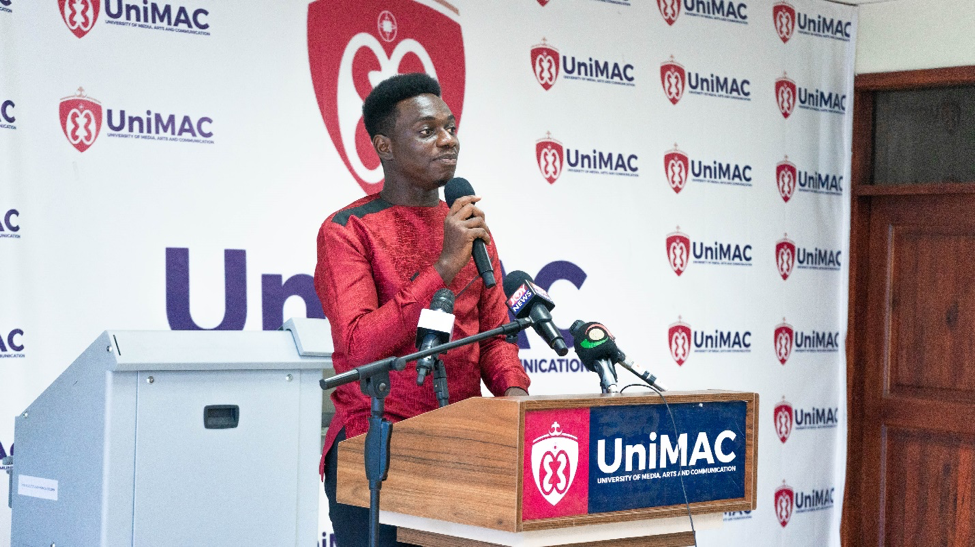
Drawing on findings from media monitoring over the years, he highlighted a steady increase in insults, incitement, and unprofessional language, particularly during election periods. He attributed this in part to concentrated media ownership and the emergence of what he described as “mercenary journalism,” where financial or political considerations shape editorial decisions.
On the issue of public trust, Professor Karikari pointed to survey data indicating declining confidence in the media, especially among young people. He stressed that rebuilding credibility requires a renewed commitment to core journalistic values accuracy, fairness, and rigorous verification of information.
Partnering UniMAC to celebrate the World Press Freedom Day were The Ghana Commission for UNESCO, Media Foundation for West Africa (WFWA) and the Centre for Global Collaborations and Education (GCEC) at UniMAC.
A solidarity message delivered on behalf of the UNESCO Ghana Commission underscored the global significance of press freedom. It described press freedom as not only a cornerstone of democracy but also a vital pillar for peace, justice, and sustainable development. The message highlighted the role of a free and independent media in empowering citizens, ensuring accountability, and fostering informed and cohesive societies.
The message further emphasised that journalism remains a public good, particularly in an era shaped by misinformation, digital threats, and increasing polarisation. The statement called for collective action among stakeholders to protect journalists, strengthen media independence, and promote media literacy.
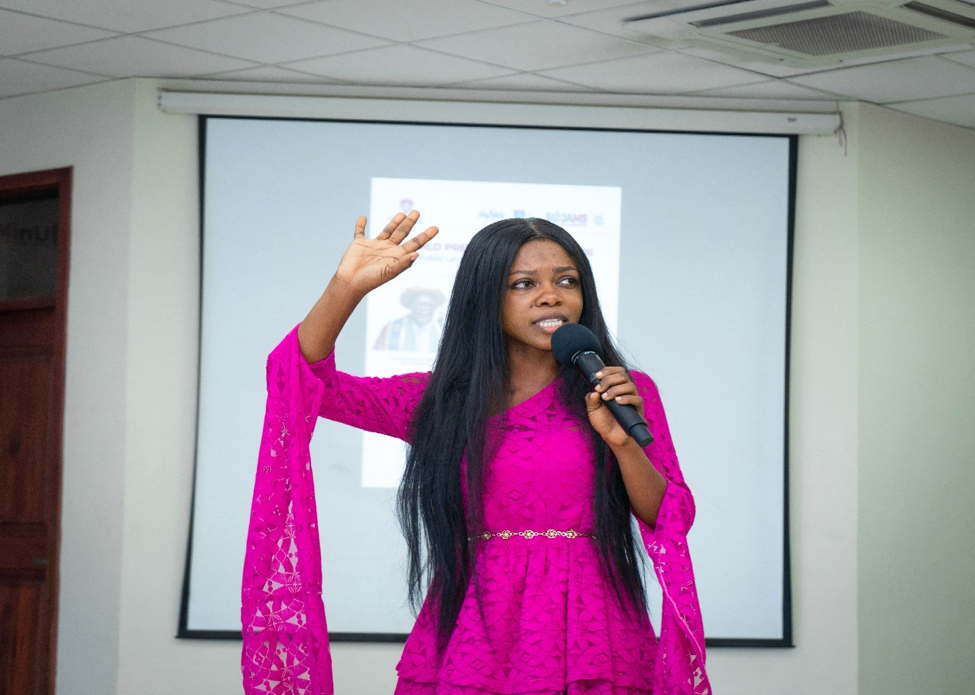
The event also featured a spoken word performance by a level 400 journalism student in the person of Ms. Agbewornu Emefa Yvonne on the theme for the celebrations. Contributions also came from stakeholders addressing key challenges within the media landscape. Discussions touched on issues such as attacks on journalists, unethical reporting practices, and the economic sustainability of media organisations.
Speakers acknowledged Ghana’s significant progress in media freedom since the inception of the Fourth Republic, but noted that persistent challenges including political interference, weak regulatory frameworks, and declining professional standards continue to pose risks. Concerns were also raised about practices such as advertising disguised as news, trial by media, and the spread of unverified information, particularly on digital platforms.
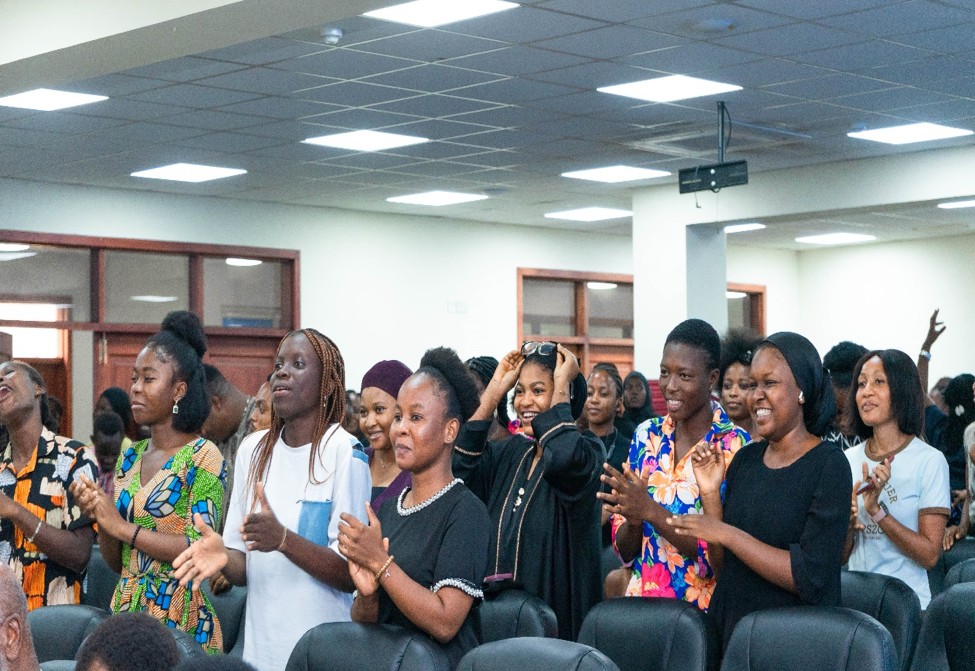
Participants also accentuated the importance of continuous professional development for journalists and the need to improve standards in the use of Ghanaian languages in broadcasting.
The World Press Freedom Day Celebrations concluded with a renewed call for the passage of a comprehensive broadcasting law to strengthen regulation and safeguard media independence.
This commemoration reaffirmed UniMAC’s commitment to advancing responsible journalism and shaping a media landscape that upholds integrity, accountability, and democratic values.
—
Drafted by:
Kelvin Boakye Owusu
Level 300 Journalism Student