


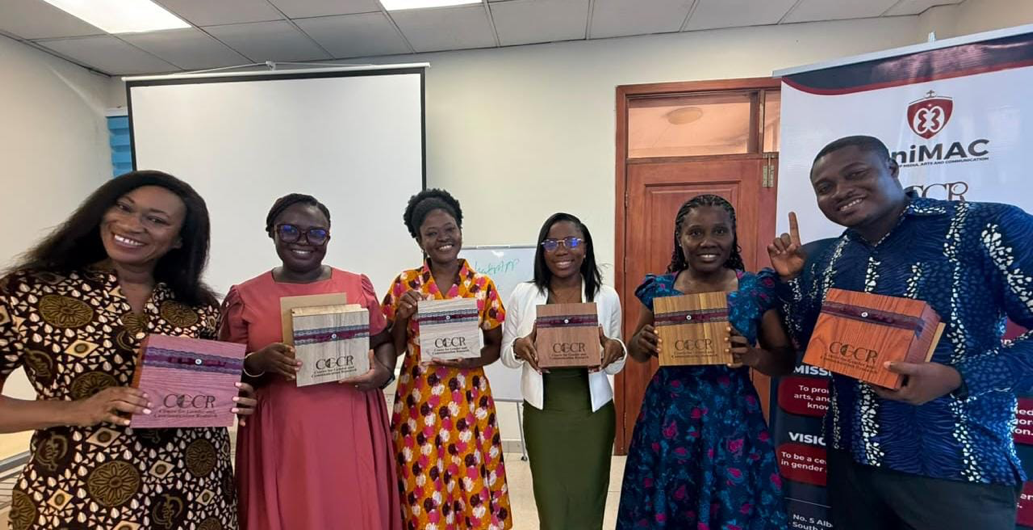
ACCRA, Ghana — On Friday, July 24, 2026, the Centre for Gender and Communication Research (CGCR) hosted a landmark inception meeting for its inaugural cohort of Research Affiliates at the University of Media, Arts and Communication (UniMAC), Institute of Journalism, South Legon Campus. The meeting served as a crucial onboarding step to align affiliates with the Centre’s mission and establish core operational structures during its foundational years.
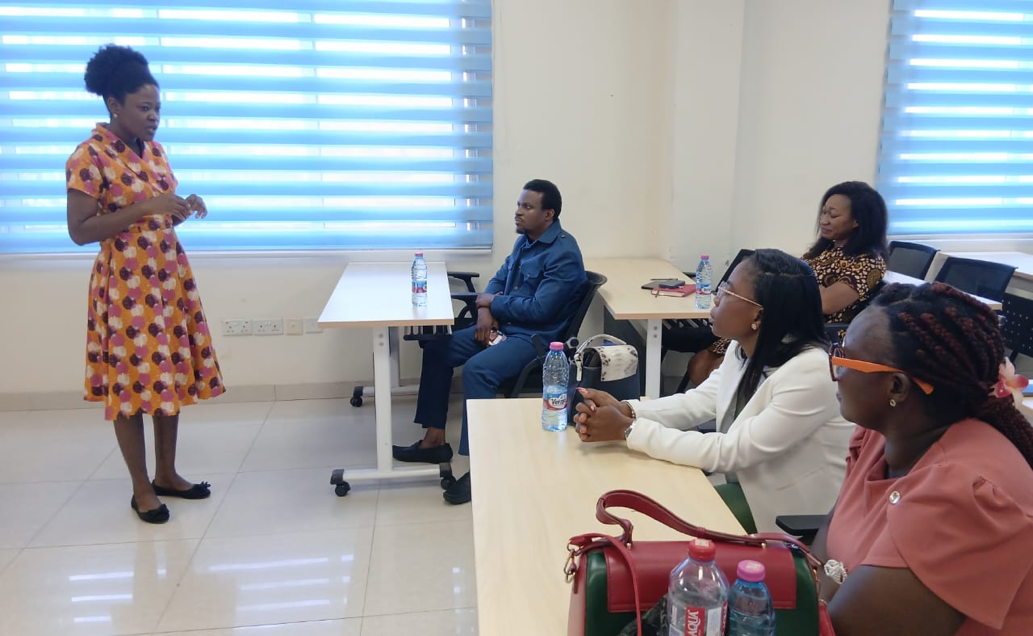
Welcoming the affiliates, the Founding Director of the CGCR, Dr. Rosemary Obeng-Hinneh, commended the faculty and administrative staff for their voluntary commitment to advancing the Centre’s mandate. She noted that as a research and engagement centre, the CGCR is dedicated to generating evidence-based solutions for gender equity by leveraging communication to bridge gender gaps across all sectors.
Dr. Obeng-Hinneh emphasised that translating rigorous academic research into actionable insights for transformative development programming both within the UniMAC community and for global partners—requires strong collaborative frameworks. “Your voluntary engagement is essential in building the institutional and research structures necessary to solidify the Centre’s foundation in these early years,” she stated.
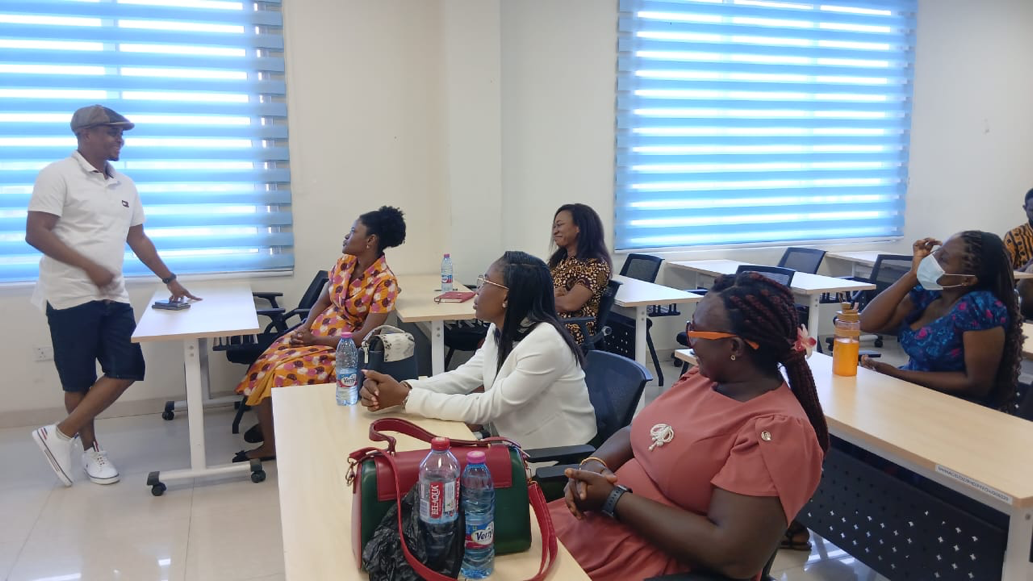
Delivering a solidarity message on behalf of the Vice-Chancellor and University Management, the Pro Vice-Chancellor, Prof. Winston Abroampa, expressed management’s appreciation to the affiliates for responding to the call to serve. Prof. Abroampa highlighted the strategic necessity of the Centre, noting that as a young and growing institution, UniMAC cannot fully realise its vision without the CGCR. He stated that the Centre’s mandate is vital to enriching academic research with a distinct gender lens across communication disciplines and beyond.
Prof. Abroampa praised the gender representation among the onboarded affiliates, describing it as an encouraging sign that will ensure diverse perspectives in addressing research issues affecting both men and women. He expressed his availability to support the centre and rallied the affiliates to work closely with the Centre’s leadership to establish resilient, lasting institutional structures.
The inception meeting featured an interactive programme that included an orientation on the Centre’s vision, mission, and affiliate expectations—such as joint research, resource mobilisation, policy consultation, and student mentorship—culminating in an open discussion session where affiliates shared insights and strategic ideas for the Centre’s upcoming initiatives.