

A documentary screening at the University of Media, Arts and Communication’s Institute of Film and Television (UniMAC-IFT) has sparked renewed national reflection on how Ghana preserves its history, tells its stories, and prepares a new generation of filmmakers to carry that responsibility forward.
On Friday, 17 April 2026, the Faculty of Digital Media and Design at UniMAC-IFT organised a screening of ‘The Eyes of Ghana’, a feature-length documentary directed by Ben Proudfoot, an Oscar-winning Canadian filmmaker and founder of Breakwater Studios, known for telling powerful, human-centred stories.
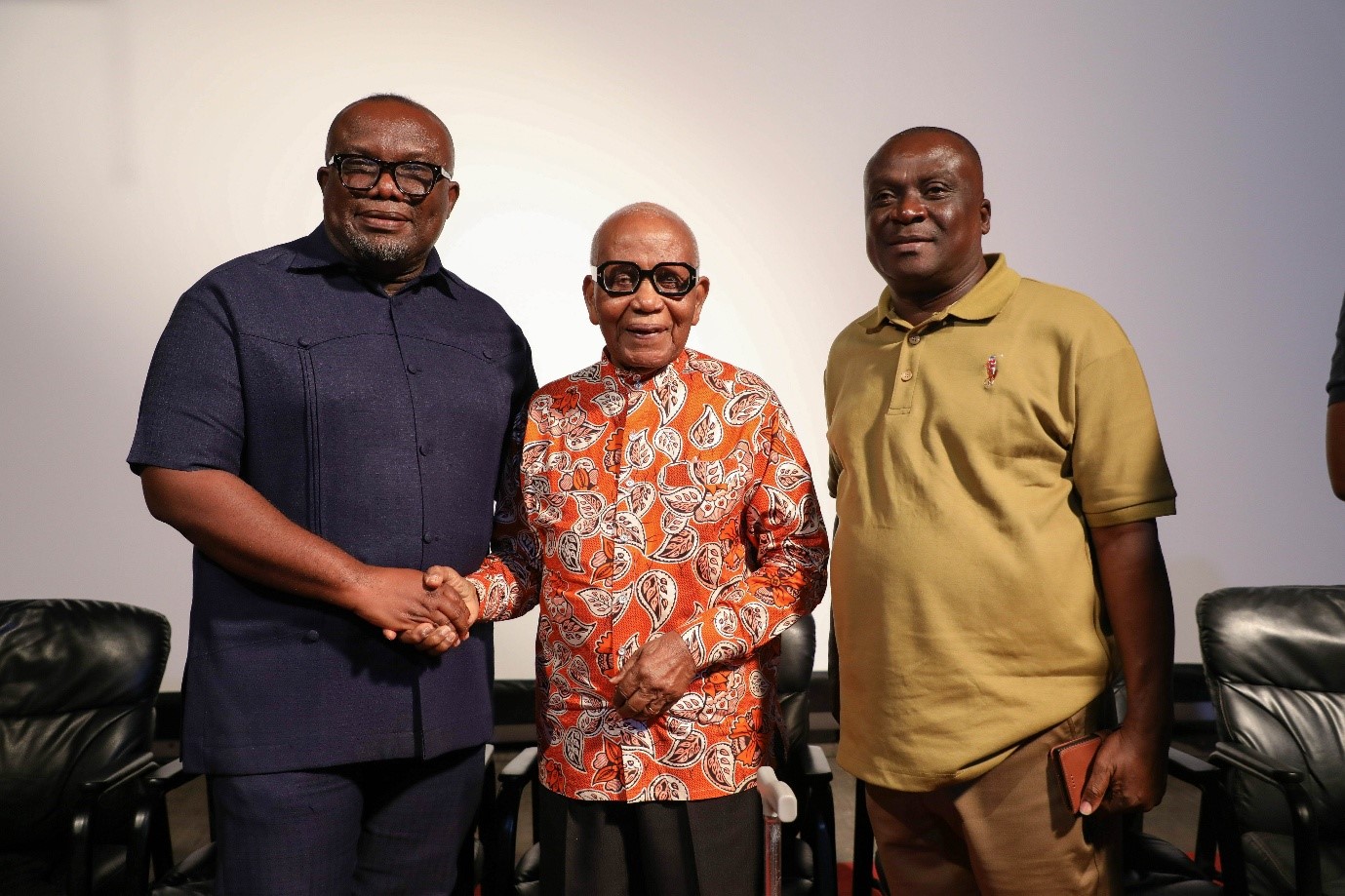
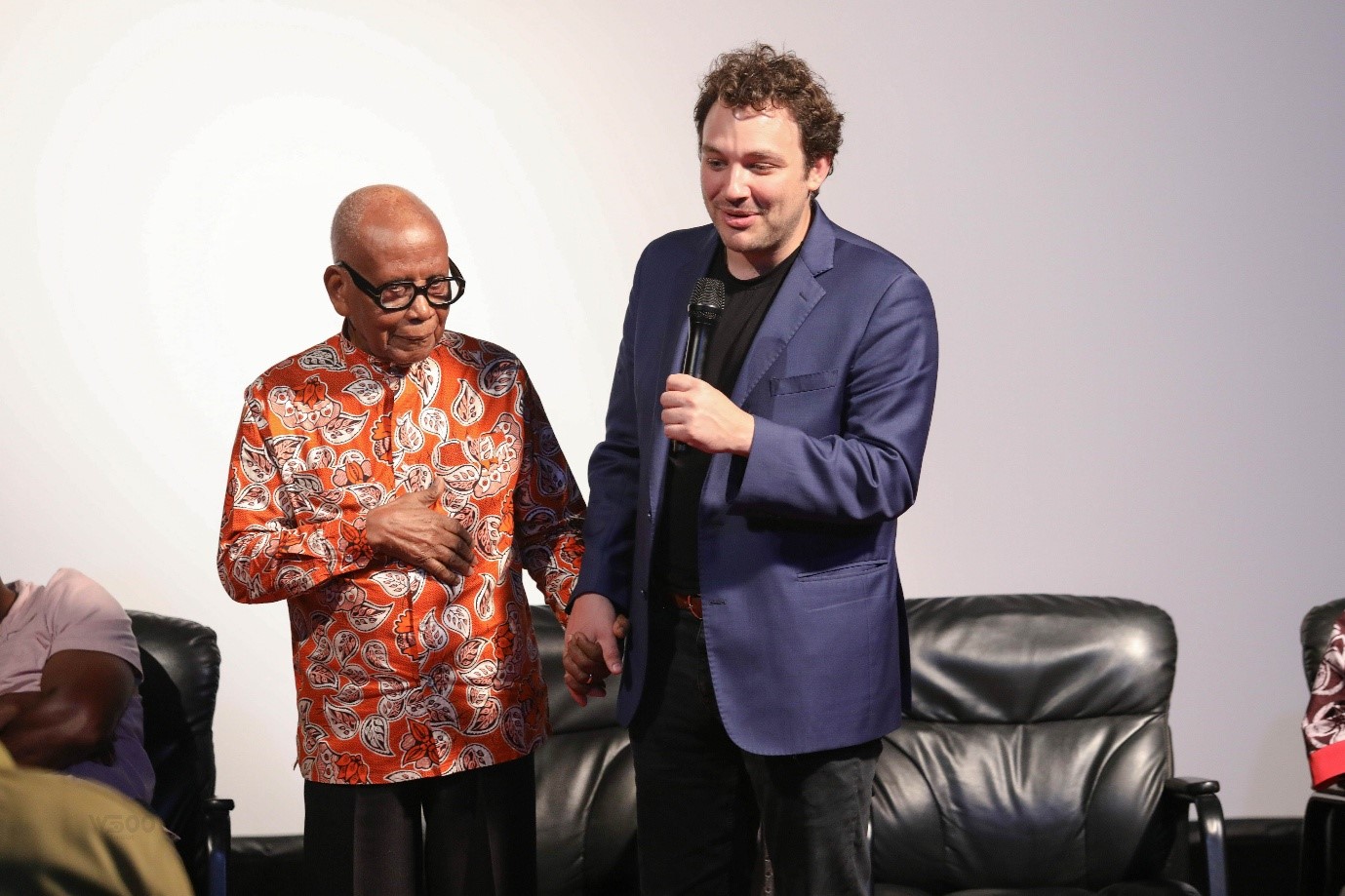
The film centres on the life and work of Rev. Dr Chris Hesse, a 93-year-old Ghanaian cinematographer and archivist widely regarded as one of the most important visual chroniclers of Ghana’s independence era. He served as the personal cameraman to Ghana’s first President, Osagyefo Dr Kwame Nkrumah. The footage preserved by Rev. Dr Hesse offers one of the most significant surviving visual records of Ghana’s early post-independence history and Africa’s liberation struggle.
The film, executive produced by Former United States of America’s President Barack Obama and First Lady, Michelle Obama, traces Hesse’s extraordinary effort to preserve more than 1,300 reels of archival footage documenting Ghana’s independence era and Africa’s broader liberation movement. These materials, which survived political attempts to erase them following the 1966 coup that overthrew Dr. Kwame Nkrumah, form a critical visual record of a defining period in Ghanaian and African history.
Professor Samuel Manasseh Yirenkyi, Rector of the Institute of Film and Television, in his welcome address, emphasized the significance of the involvement of UniMAC-IFT alumni in the production of the documentary. Particularly Anita Afonu and Yaw Amponsah, who were producers of the documentary. “We are proud of them,” he said. “Their involvement is a testament to the quality of training at IFT and the excellence our graduates continue to carry.”
Beyond the institutional pride, the event quickly evolved into a broader conversation about authorship, preservation, and ownership of Ghana’s historical narrative. Proudfoot was clear about the perspective that shaped the film. “Everything we’re learning is through Reverend Hesse,” he said. “He is the one who’s telling the story. Our entry into Nkrumah’s life is through him.”
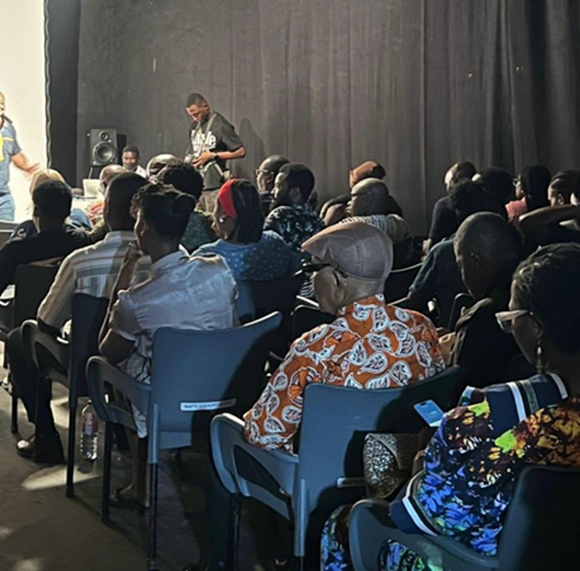
For many attendees, that perspective raised deeper questions about how history is framed and who gets to tell it. The documentary does not attempt to present a definitive account of Nkrumah’s legacy but rather situates it within the lived experience of a filmmaker who witnessed it firsthand. This approach, while intimate, also invites critical engagement from audiences.
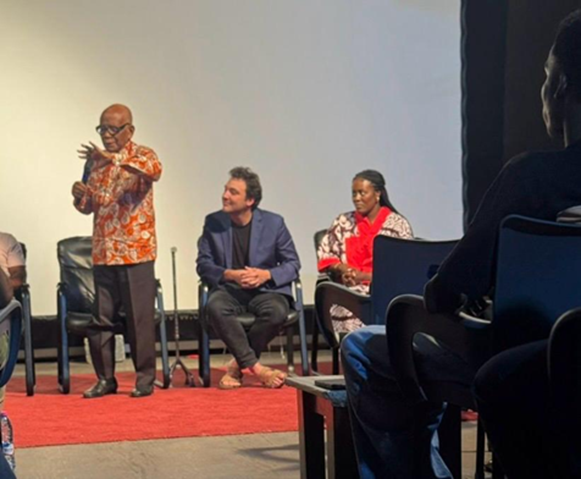
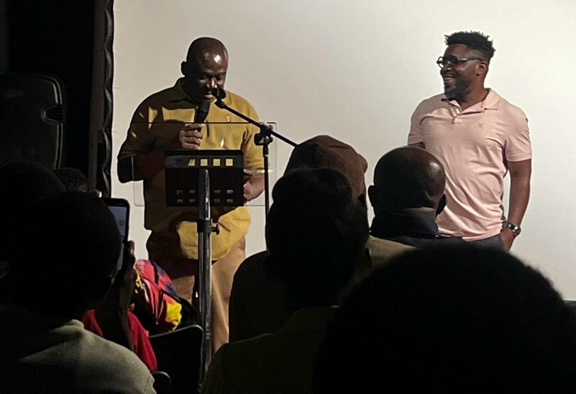
Mr. George Bosompim of UniMAC-IFT moderated the screening. Speaking during a question-and-Answer session after the screening, Proudfoot explained how the project began with a moment of unfamiliarity that quickly turned into a deeper inquiry. “I was driving by the Kwame Nkrumah mausoleum, and I saw the building and the statue of Nkrumah pointing, and I just casually asked, “Who’s that?” he said. “And everybody in the car looked at me like I was crazy. I just could not believe that I had not learned it. It seemed that it was a story of global importance.”
That encounter led him to Hesse, whose personal archive had remained largely unseen for decades. Proudfoot noted that his initial intention was modest. “I thought it was going to be a short documentary about Reverend Hesse,” he said. “But it evolved and expanded over the next few years. At the beginning, I had no idea what we were getting into.”
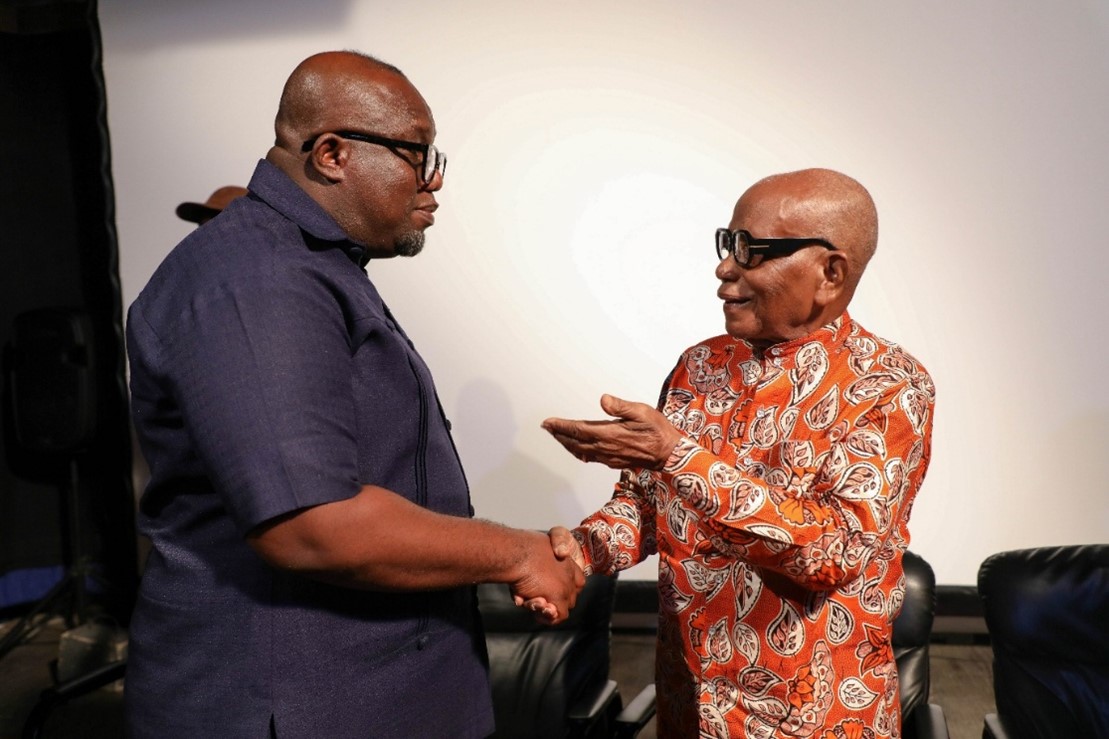
The screening and the subsequent Question and Answer session brought together a remarkable cross-section of Ghana’s academic and creative community, reflecting the weight of the story being told. Present at the event were some of the Executive Management members of UniMAC in the persons of the Vice-Chancellor Professor Eric Opoku Mensah and the Acting Registrar – Dr. Obaapanin Adu Oforiwaa, Dr. Ramatu Mustapha-Dadzie – Dean Faculty of Cinematic and Television Art. Also, were some faculty members of the Institute of Film and Television.
In attendance were Dr. Jim Fara Panbonor Awindor – President of the Ghana Academy of Film and Television Arts, Mariam Buahin of the Akuna Group and Nana Adwoa Awindor, a veteran Ghanaian television host, filmmaker, and traditional leader.
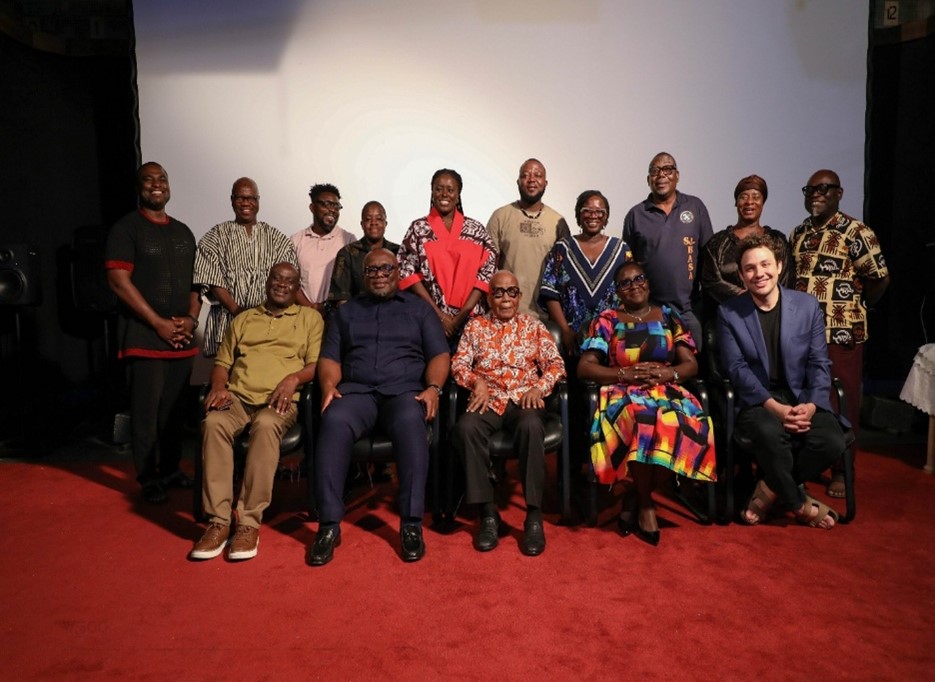
At the centre of this gathering was Dr. Rebecca Ohene-Asah, a prominent media educator and filmmaker who serves as Dean of the Faculty of Digital Media and Design at UniMAC-IFT. Her leadership in convening such a significant academic and cultural moment did not go unnoticed, as the event stood as a reflection of the faculty’s growing influence in shaping conversations around film, history, and national identity.
The discussion also turned toward the state of archival preservation in Ghana. Responding to a question on the issue, Proudfoot cautioned that the challenge is not unique to Ghana. “It’s not just a problem in Ghana,” he said. “It’s a problem all around the world, which is, are people paying attention to the preservation of films and photographs and documents from the past? They fall by the wayside unless there are resources to prioritize it.”
His comments reflect longstanding concerns within Ghana’s cultural and academic sectors about the preservation of historical records. Hesse himself, as captured in the documentary and echoed during the discussion, has spent decades advocating for the digitization of these heritage films, underscoring the urgency of safeguarding materials that risk deterioration or loss.
The Question-and-Answer session further highlighted a generational shift in thinking about Ghana’s film industry. Students and young filmmakers used the opportunity to question not only the past but also the future of cinema in the country. Issues such as declining cinema culture, limited infrastructure, and the need for sustained investment were raised, alongside calls for greater collaboration and innovation.
Proudfoot, addressing the students directly, framed the documentary as both a historical record and a call to action. “The goal is to make it so that no one ever drives by Kwame Nkrumah’s statue and says, who’s that?” he said. He added that the film is also intended “to inspire and empower the next generation of filmmakers in Ghana and around the world.”
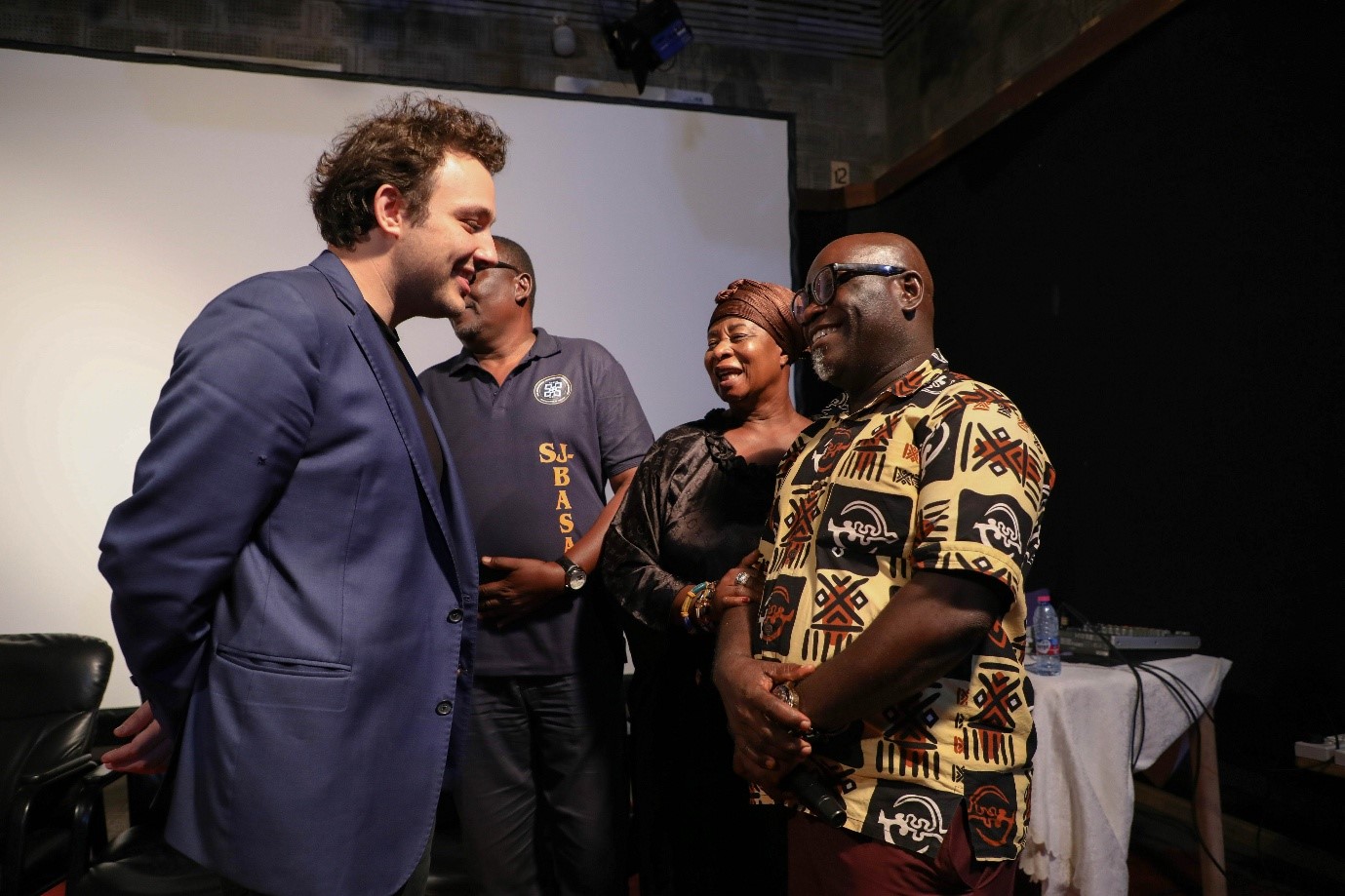
That message appeared to resonate strongly with the audience, particularly given the setting. Proudfoot himself acknowledged the significance of UniMAC-IFT as a training ground for future filmmakers. “This is a very special place,” he said. “I’ve been to a lot of film schools around the world, and this is a place to be proud of.”
As Ghana continues to position itself as a cultural and creative hub within Africa, events such as this screening highlight both the opportunities and the challenges facing the industry. The preservation of historical archives, the development of local talent, and the global visibility of Ghanaian stories remain central to that conversation.
In bringing together history, film, and education, the screening of ‘The Eyes of Ghana’ has done more than showcase a documentary. It has reopened a national conversation about memory, identity, and the role of storytelling in shaping how Ghana understands its past and imagines its future.
—
By Makida El Husseini (Broadcast Journalist, UniMAC-IFT Alumna) & Josephine Crentsil (Broadcast Journalist (Level 300))