



ACCRA – “Researchers should build gender into every stage of a study, from the opening question to the interpretation of findings,” – Prof. Akosua K. Darkwah of the University of Ghana told participants at a UniMAC webinar held on 23rd September 2026.
The session, “Doing Gender-Sensitive Research,” was organised by the Centre for Gender and Communication Research (CGCR) in collaboration with the Directorate for Research Innovation and Development (DRID) at the University of Media, Arts and Communication (UniMAC). It brought together faculty members, research affiliates, students, and staff. Ms. Offeibea Awuku, a Lecturer at the UniMAC Institute of Languages and a CGCR research affiliate, moderated the session.
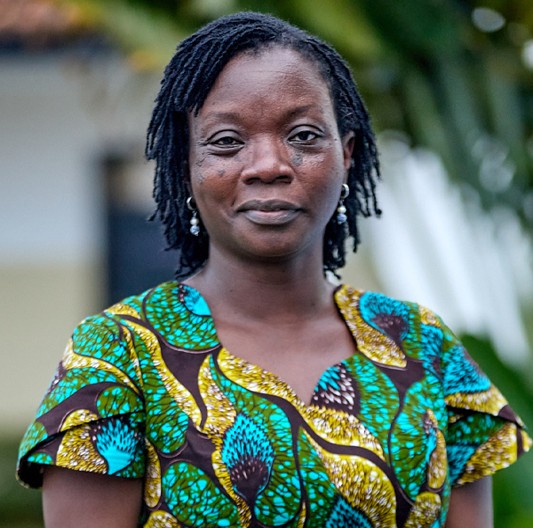
Prof. Darkwah, a Professor of Sociology with more than twenty-five (25) years of fieldwork experience, defined gender-sensitive research as work that accounts for both biological sex and socio-cultural roles throughout. She urged researchers to examine how their own gender and class shape what they see, and how gender roles shape what research participants also say. She set out six stages where a gender lens changes the result as (1) the Research questions – recognise how your background drives your interests, and frame questions with intersectionality in mind. (2) Literature review – ask where women’s voices are and how women are portrayed. (3) Data collection – match interviewers and respondents with care, balance field teams, protect safety, and schedule around domestic labour and gatekeepers. (4) Data analysis – report sex-disaggregated data and use qualitative tools to surface hidden gendered meanings. (5) Writing – use inclusive, non-sexist language. (6) Validation – include diverse stakeholders in workshops and community debriefs.
At the open discussion session, a participant asked whether researchers should set their gender aside for the sake of objectivity. Prof. Darkwah said bracketing is not possible in qualitative work. Researchers should name their positionality, she argued. Subjectivity properly shapes which questions are asked, while objectivity governs how the data are treated. She also pointed participants to the concepts of strong and weak objectivity.
On whether a study of women or men alone can be considered gender research, she remarked in the affirmative. What makes a study, gender research, is attention to the socio-cultural roles attached to biology, not the sex of the people interviewed. Prof. Darkwah also advised that “they” takes a plural verb in gender-neutral writing.
The Director of DRID, Dr. Anane Bossman, expressed gratitude to the speaker and the CGCR for the session. He indicated that gender sensitivity should be considered throughout the research process rather than added at the end. Dr. Bossman further noted that communication is embedded in everything, which is why CGCR exists.
The CGCR and DRID are promoting gender sensitive research in UniMAC, especially as majority of students are females. The two directorates plan to publish a UniMAC guide to gender-sensitive research methodologies, run hands-on workshops where faculty bring active proposals for gender audits, and form working groups of research affiliates across the university’s institutes.