

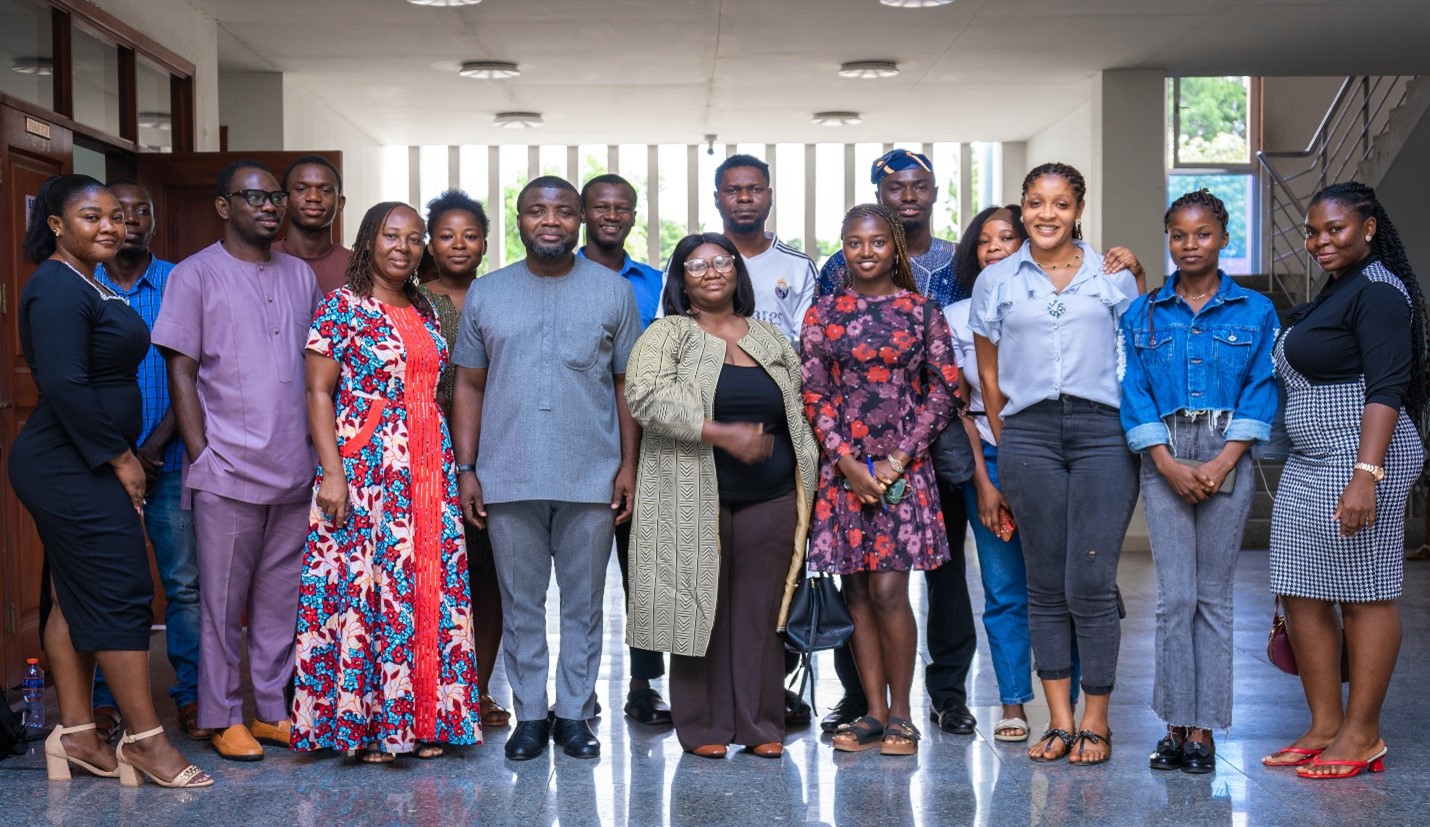
The University of Media, Arts and Communication’s School of Journalism and Media Studies (SOJAMS) at the Institute of Journalism (IJ) has underscored the growing importance of business, finance, and trade reporting in Africa. This was reinforced at a masterclass themed ‘Financial, Trade and Business Reporting in a Global Age’.
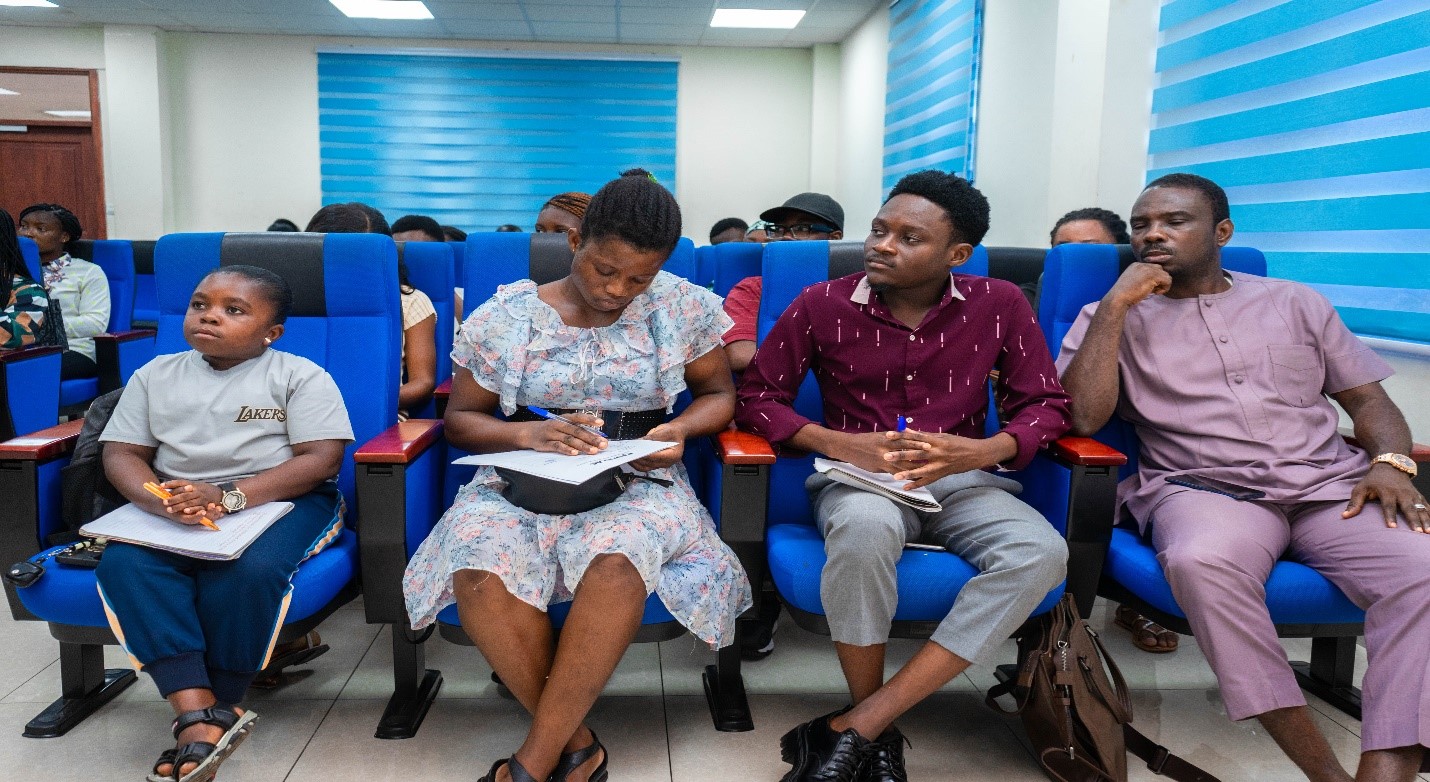
The event, which took place on Monday, May 4, 2026, at the South Legon Campus, brought together students, faculty, and a renowned journalist to discuss emerging trends in African trade and the critical role of journalism in shaping public understanding of economic developments.
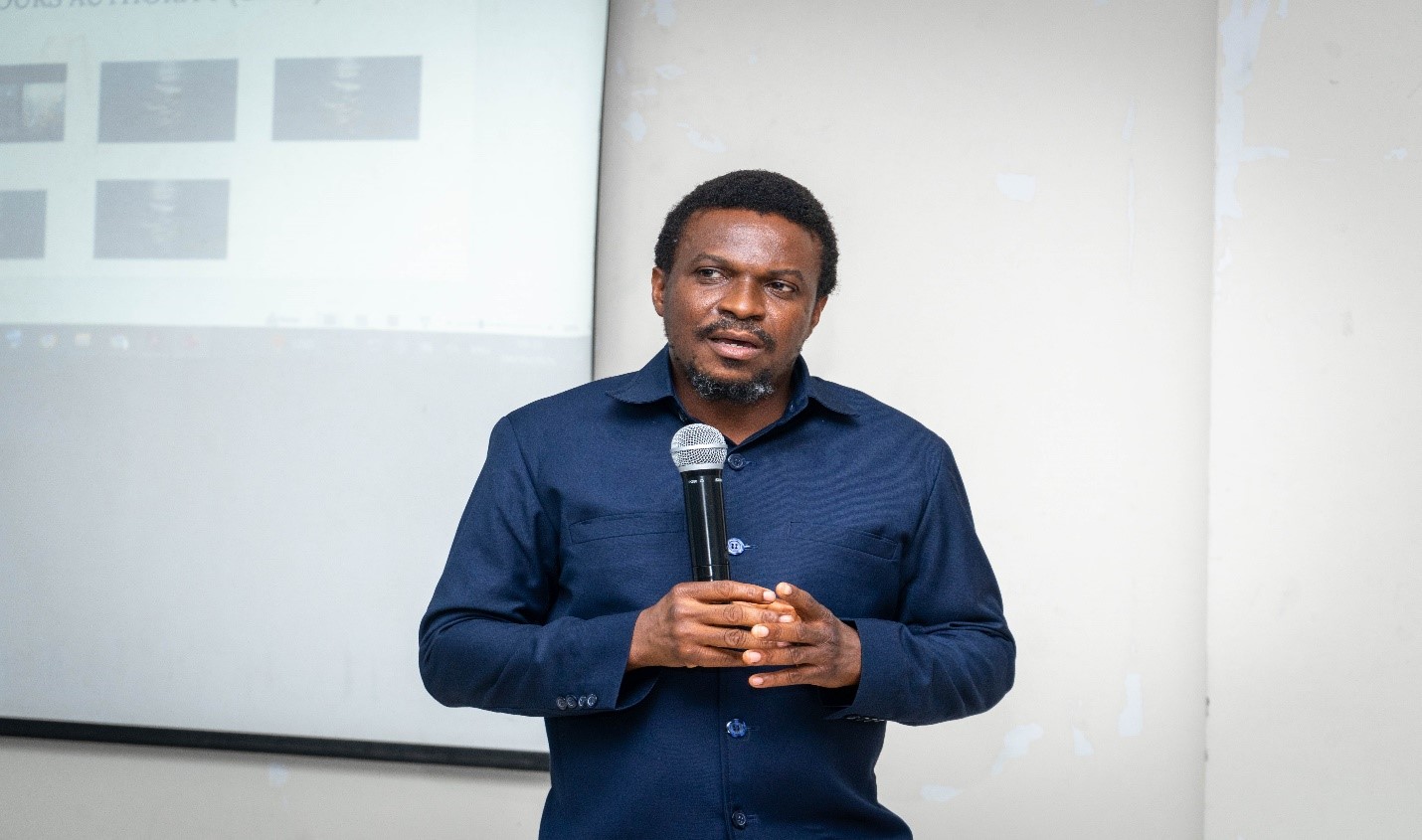
In his remarks, The Dean of SOJAMS, Prof. Etse Sikanku, emphasised the significance of such engagements in preparing the next generation of journalists with practical industry knowledge and relevant professional skills.
The masterclass featured the seasoned media professional Samuel Agyemang, a Senior Media Expert at the African Continental Free Trade Area (AfCFTA) Secretariat and a Broadcast Journalist, who delivered an in-depth presentation on the evolving trade landscape in Africa and the opportunities it presents for journalists.
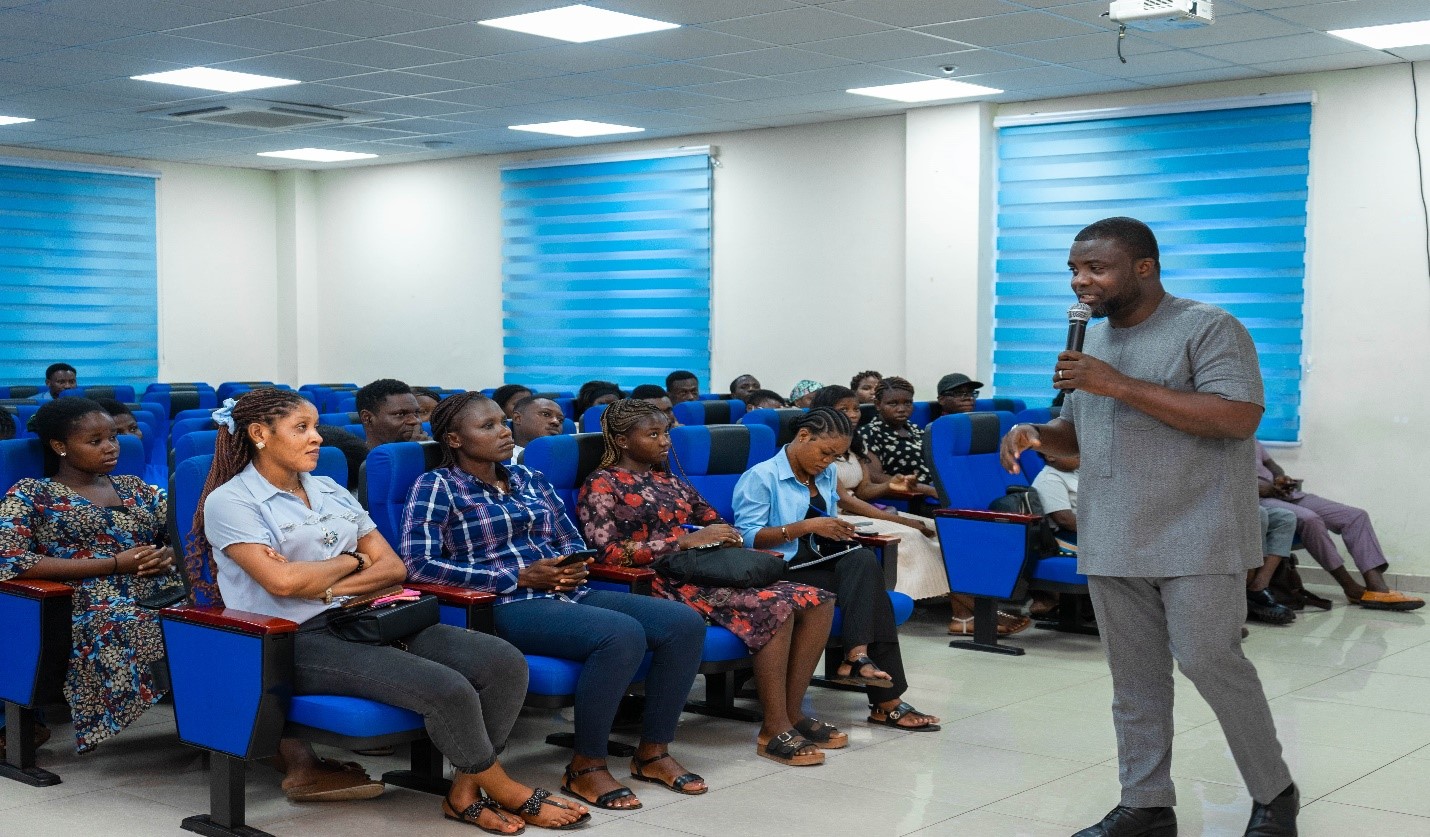
Speaking at the session, Mr. Agyemang stressed that the demand for business, financial, and trade reporting across Africa has become increasingly important due to major structural changes in the continent’s economy.
He explained that Ghana is positioning itself as a strategic hub for intra-African trade through policies aimed at facilitating easier movement across borders. “In the next 21 days, Ghana will be visa-free for every country on the continent of Africa,” he stated.
According to him, AfCFTA seeks to establish a borderless African market that allows goods and services to move freely across countries without excessive tariffs. Using practical examples, he demonstrated how local producers, particularly women and small-scale entrepreneurs, could benefit significantly from the initiative. “If you are able to prove that your product originates from Ghana, you don’t pay tariff on it. There’s no duty,” he explained.
He further cited the example of shea butter producers in Sandema in northern Ghana, many of whom face challenges with limited local markets. Under AfCFTA, he noted, such producers can access larger markets without the burden of export duties.
Mr. Agyemang also emphasised that the changing business and trade environment requires a shift in journalistic priorities. He encouraged journalists and journalism students to pay closer attention to business, trade, and economic reporting, noting that traditional reporting approaches alone are no longer adequate.
The session also highlighted the historical significance of AfCFTA and its connection to the vision of African unity championed by leaders such as Kwame Nkrumah. “All the heads of state have decided to go back to what our forefathers fought for, to have an Africa that is borderless when it comes to trade,” he noted.
The masterclass concluded with an interactive discussion, where participants engaged the speaker with questions and reflections on the future of journalism within a rapidly integrating Africa.
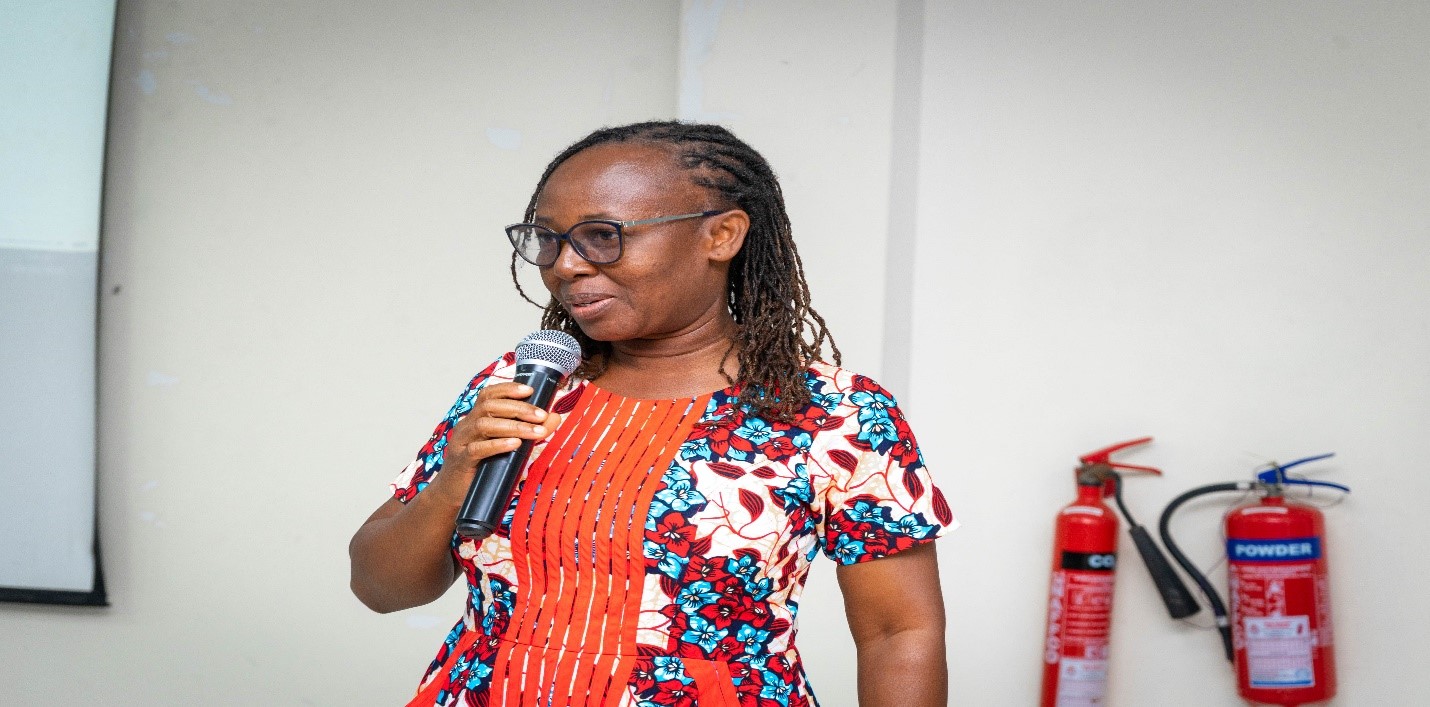
Delivering the closing remarks, Dr. Solace D. Yawa Asafo, Ag. Head, Department of Media Arts, expressed gratitude to all participants for their active participation and encouraged students to apply the knowledge and skills gained from the masterclass in their academic and professional pursuits.
The Masterclass event forms part of UniMAC’s broader commitment to equipping journalism students with practical knowledge and industry-relevant competencies, while ensuring they remain responsive to global and continental developments shaping media practice.